Your best people are wasting their talent on grunt work. Hours manually processing routine documents, weeks to legally review standard contracts, countless time lost manually entering data into systems. Meanwhile, your security team is buried under alerts they have to look into one by one.
This isn’t a resource problem, and it’s not for lack of good technology. As Box CTO Ben Kus says, “When we talk to many of our Box customers, we often hear them say they don’t actually have an AI problem. They have a data problem."
When we talk to many of our Box customers, we often hear them say they don’t actually have an AI problem. They have a data problem.
Kus has witnessed hundreds of enterprises hit the same wall. They pour millions into AI pilots. They run proof of concepts. They demo impressive tools. Then nothing scales.
In a recent episode of the Intelligence Squared podcast, Practical AI Implementation in the Workplace: Beyond the Hype, Kus talks about the crucial shift from the theoretical hype surrounding AI to the practical, actionable steps organizations must take to successfully scale their AI pilots.
Key takeaways:
- AI failures are data failures: Most pilots stall because AI can't access critical business data locked in legacy systems
- Start with a data foundation, not flashy tools: Audit where your data lives and build governance before deploying AI
- Small wins compound into transformation: Pick one bottleneck, track real metrics, and build momentum from there
The real reason AI pilots fail is data, not technology
Every C-suite executive knows AI could transform their workflows, but after millions invested in pilots and proofs of concept, most organizations are stuck in experimentation mode, unable to scale their AI initiatives beyond isolated use cases. The problem isn’t the AI; it’s the AI’s ability to access the right data and systems.
Companies buy AI tools like they’re hiring superstar employees they believe will solve their problems. Then they lock that “employee” out of every system that matters. Your AI can’t access your customer data (it’s in a legacy CRM). Can’t touch financial records (scattered across departments). Can’t review contracts (stuck in outdated file servers).
No human hire would thrive under these constraints, and your AI can’t, either. But most organizations try to fix this problem backwards. They start with the shiniest AI tool and focus on the most complex workflows — then wonder why nothing works at scale.

Building your data foundation before the AI house
Kus narrates the story of a specific financial firm that tried the traditional approach first. This firm wanted an AI report to help its advisers generate comprehensive prep and recommendations for client meetings. It failed, and here’s why.
When the firm started the project, it hit an unexpected wall: there was no efficient way for anyone — either human or AI — to quickly understand clients' financial situations. Clients had submitted all their data — but it came in the form of wildly inconsistently formatted financial statements, stock statements, and all other kinds of files. As Kus explains, "There was really no way for even the people in the organization to quickly understand what the clients were doing."
Starting small with foundational capabilities often leads to greater success than attempting to leap directly to complex AI implementations.
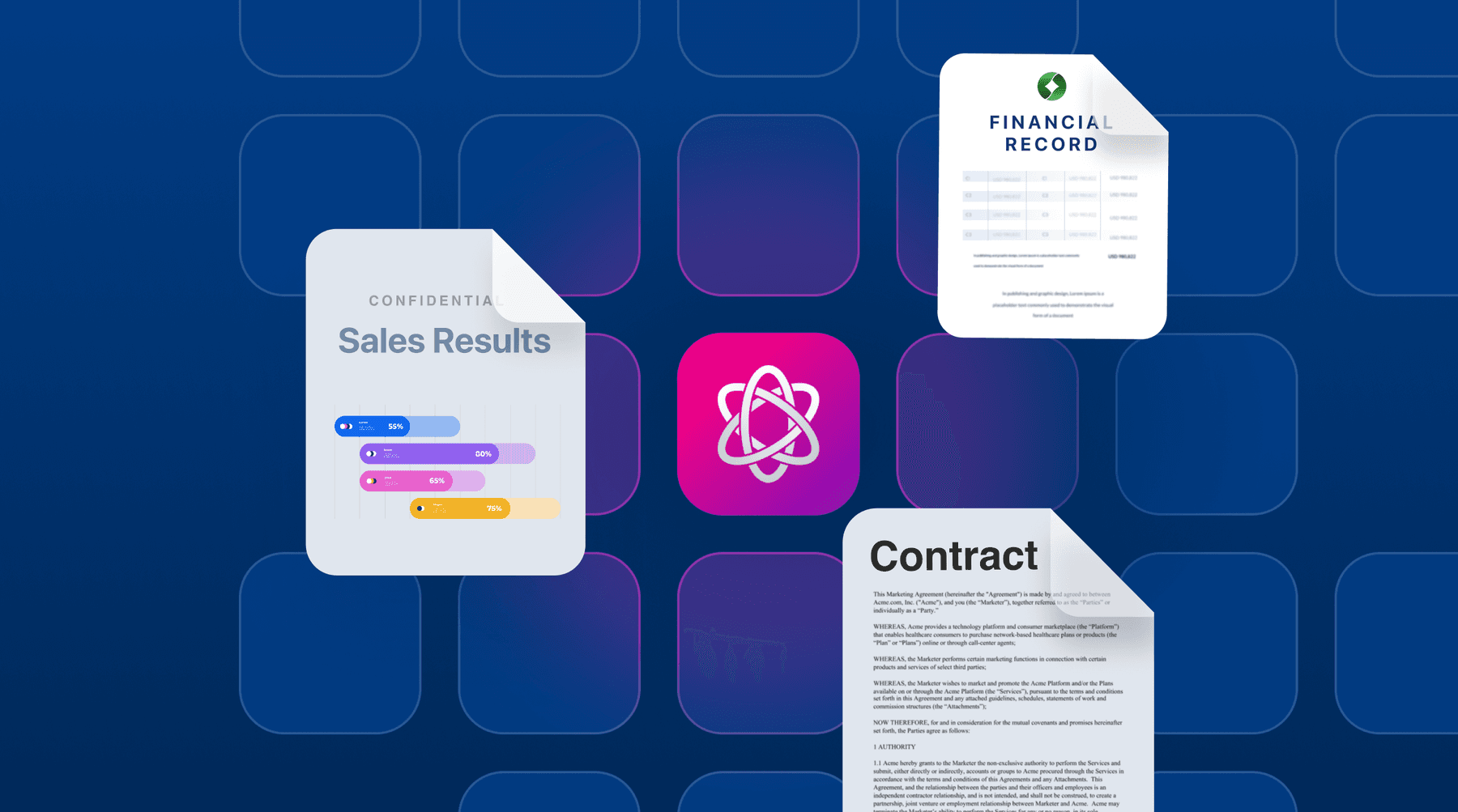
The firm took a step back, and instead of building an AI report generator, they started with something much simpler: using AI to extract and structure data from client documents into standardized formats. "It turned out that the hard part was actually to be able to understand this client's situation in the first place, given the variety of data," Kus noted.
The company’s second attempt:
- Consolidated financial documents into secure, AI-accessible storage
- Started with basic data extraction
- Gradually added analysis capabilities
- Eventually automated full report generation
Data extraction became the starting point, laying the foundation for eventually achieving the firm’s original AI vision. Starting small with foundational capabilities often leads to greater success than attempting to leap directly to complex AI implementations.
The 5-step framework for AI scaling that actually works
After analyzing patterns from this and other successful AI deployments, here’s what the successful scalers are doing right:
- Auditing their data reality: Before implementing any AI tool, they’re assessing where their data actually lives. For most companies, 90% of data is unstructured content buried across various systems and folder structures. This siloed content makes it impossible to effectively and securely apply AI to workflow automation.
- Creating a single source of truth: You don’t need to replace every system overnight, but you need your AI tool to access what matters. With a single source of truth in place for your unstructured content, you can then build permission structures to ensure good governance and prevent leaks. Remember: AI doesn’t keep secrets. Without governance, it shares everything with everyone. Kus says: “It’s absolutely critical that you do not give AI access to what a person wouldn't have access to.”
- Starting small (really small): Kus mentions a procurement manager who automated vendor document analysis, cutting processing from 10 hours to 20 minutes. She became her company’s AI champion, scaling the approach companywide. Pick one bottleneck. Assign one owner. Set clear metrics.
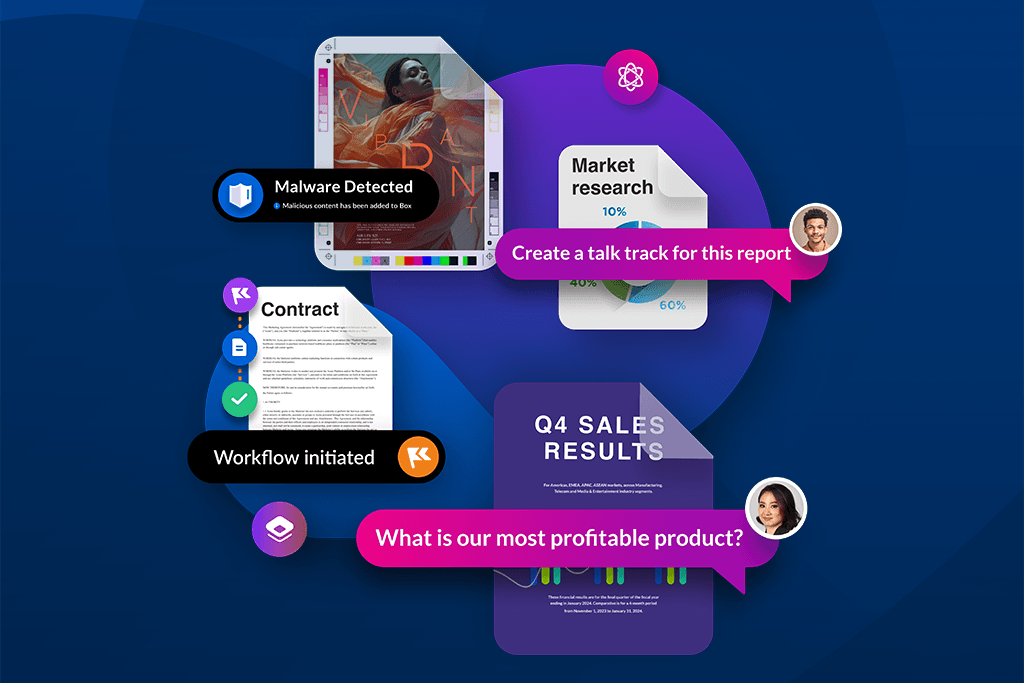
- Deploying agents, not chatbots: The magic happens when AI stops answering questions and starts completing work. Modern AI agents process workflows asynchronously, access multiple systems, and work without supervision. AI can now build entire features independently.
- Tracking real value: Forget vanity metrics. Document specific improvements: 10 hours → 20 minutes. Calculate cost savings per workflow. Measure employee satisfaction. These tactical wins compound into transformation.
Moving into real-world implementation with everyday AI
The gap between AI experimenters and AI operators widens daily. Companies treating AI as a technology project instead of a business transformation will fall further behind.
Kus reiterates: “Have big ambitions, but start small. This is definitely one of the things you typically see as a focus area for people who are more successful in their projects.”
Your AI is only as powerful as the data it can reach. The playbook exists. The tools work. But first, you need to fix your data foundation. Get this right, and you won’t just automate existing work. You’ll unlock entirely new ways of working.
Listen to the podcast on Apple Podcasts or Spotify.