Enterprises are under pressure to manage rising volumes of data, documents, and workflows without slowing down operations. The problem: not all business processes follow neat, predictable patterns. Traditional automation reaches its limits when workflows involve unstructured information and unpredictable inputs.
The solution is intelligent automation. It extends the capabilities of traditional automation by combining it with AI to manage complexity at scale. Intelligent process automation adapts to variation, interprets unstructured data, and carries out work across connected systems. Let’s learn how.
Key highlights:
- Intelligent automation is the combination of artificial intelligence and automation tools to handle processes that are too variable or complex for traditional automation
- Core components of intelligent automation technology include AI, robotic process automation (RPA), and system integrations
- Benefits of intelligent process automation range from faster workflows and scalable operations to unified data handling and lower costs
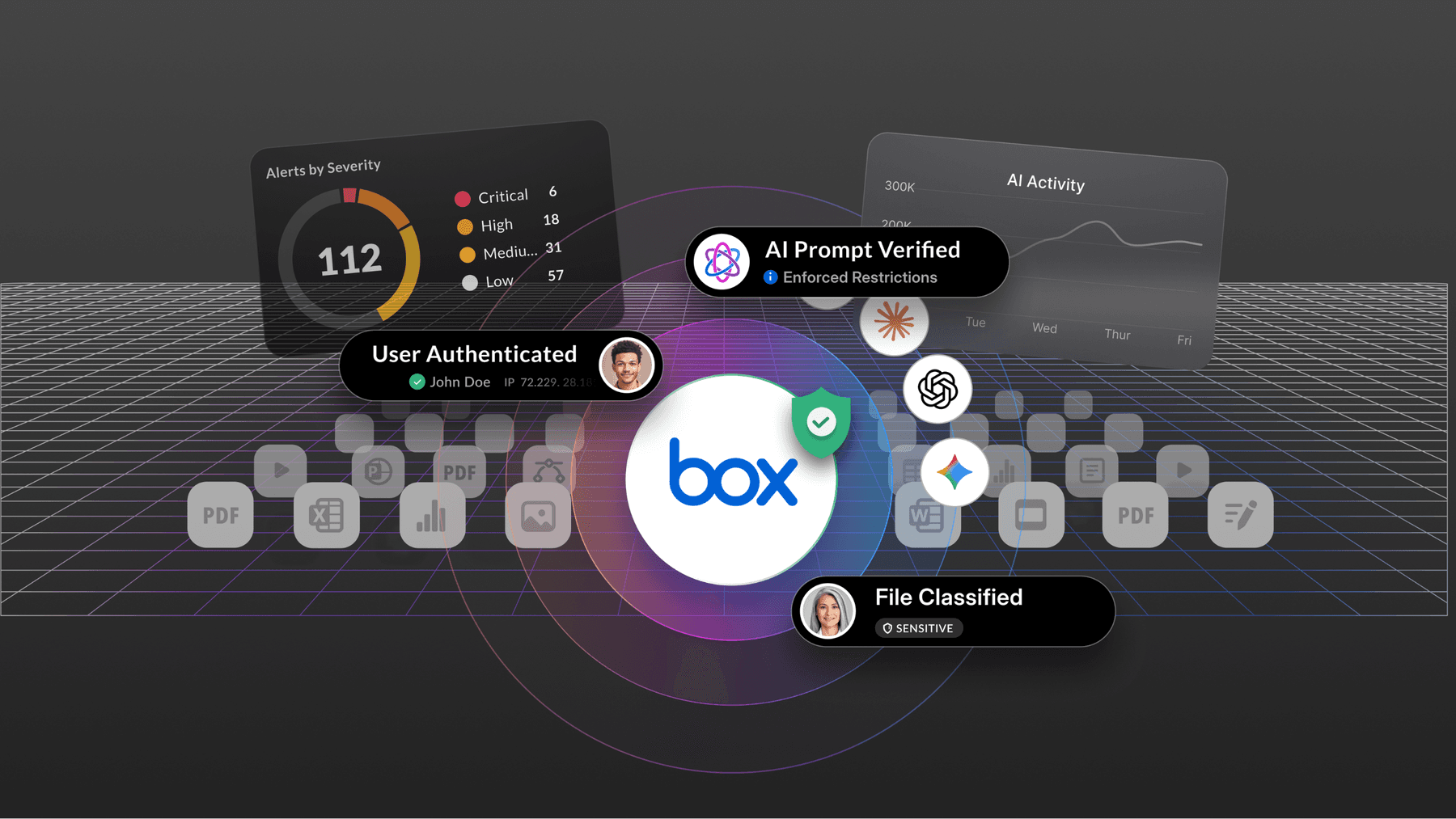
- Box, the Intelligent Content Management platform, supports intelligent automation by securing content, standardizing processes, and connecting workflows across applications
What is intelligent automation?
Intelligent automation (IA) is the use of artificial intelligence to make automation smarter. It combines technologies like robotic process automation (RPA), machine learning, intelligent document processing (IDP), and natural language processing (NLP) so that systems can take in information, analyze, and act on it.
Intelligent process automation is suitable for processes that are too variable or complex for standard automation tools because it isn’t reliant on predefined rules. It adapts to new inputs, interprets unstructured data, and makes decisions in context.

What are the benefits of intelligent automation?
Intelligent automation delivers benefits that matter most to enterprises: speed, scalability, consistency, integration, and cost savings. Here’s how:
- Faster workflows: Cut delays, automate variable tasks, and keep processes moving end to end
- Scalable operations: Expand automation processes with new data and changing inputs
- Unified data handling: Interpret unstructured and structured data and keep information consistent across systems
- Seamless system integration: Connect multiple applications and platforms so data flows smoothly in context
- Reduced costs: Reduce reliance on manual work by automating a wider range of processes than traditional tools

Components of intelligent automation technology
Most business processes follow the same pattern: collect information, decide what it means, and push it into the right system. Intelligent automation technology reflects this pattern through the following three key components:
- Artificial intelligence: Machine learning (ML), natural language processing (NLP), and computer vision help systems understand data, identify patterns, and generate responses
- Automation layer: Robotic process automation (RPA) and AI workflow automation handle repetitive, rules-based tasks with accuracy and scale
- System integration: Connections across applications, data sources, and workflows connect systems so information moves smoothly through the organization
For example, AI reads an invoice and identifies totals, dates, and vendor names. RPA then inputs those details into the accounting system, while integration makes the data flow to finance and compliance tools. Industry research underscores the value of these capabilities: a Forrester Consulting report found that 76% of decision-makers expect intelligent automation to positively impact business growth within the next two years.

How does intelligent process automation work?
Intelligent process automation works by interpreting data and turning those insights into automated actions. AI analyzes information and makes context-based decisions. Automation tools then carry out those decisions across systems to complete tasks efficiently.
The intelligent process automation follows this flow:
- Data intake: Systems capture structured and unstructured data from multiple sources
- AI analysis: Machine learning and natural language processing interpret the data and provide context
- Automated execution: Workflow and RPA tools complete the tasks based on the AI’s output
- System integration: APIs connect applications and data sources to move information across platforms

Common intelligent automation use cases
The strongest use cases for intelligent automation are those where manual processes slow down work and data flows across multiple systems. Let’s look at how this capability supports finance, HR, customer service, healthcare, and the supply chain.
Finance and accounting
Traditional automation speeds up routine finance tasks, but it often breaks when documents and data are not in a standard format. Intelligent process automation is able to interpret information in different formats and push it through connected systems without manual intervention.
In fact, according to a study published in the International Journal of Engineering Technology Research & Management (IJETRM), intelligent automation provides a median ROI of 150% in financial processes.

Examples of intelligent automation in finance are solutions that:
- Extract and validate details from invoices, contracts, and receipts
- Automate financial document management
- Reconcile data across accounting, ERP, and compliance systems
- Flag human errors or exceptions before final posting
Human resources
Routine HR automation fails with unstructured files and scattered systems. Intelligent automation for HR connects employee data across platforms and keeps documents consistent from onboarding to payroll. Intelligent automation for human resources helps you:
- Collect and validate digital forms during onboarding
- Sync employee records across HR, payroll, and benefits platforms
- Update policies and agreements automatically in employee files
Customer service
Basic chatbots resolve simple requests, but they don’t manage the flow of information across teams and systems. Intelligent process automation routes inquiries and pulls context from documents to give faster, more accurate responses, leading to an improved customer experience.
Here are a few HR-related intelligent automation examples:
- Extract order details or account data from customer records
- Route tickets with supporting documents to the right team
- Createdocument audit trails of all customer communications
Learn how to use conversational AI for customer support.
Healthcare
Healthcare workflows involve vast amounts of patient data in different formats, and traditional automation struggles with that complexity. Intelligent automation in healthcare helps you:
- Capture patient details from intake forms and transfer them to electronic health records
- Standardize medical records from different sources
- Follow compliance and privacy requirements
- Improve healthcare collaboration
Scale securely with Box’s intelligent automation solutions
The next stage of enterprise automation focuses on handling unstructured content and unpredictable workflows, at scale, without slowing you down. This means using a platform that keeps content secure, integrates with existing systems, and supports compliance.
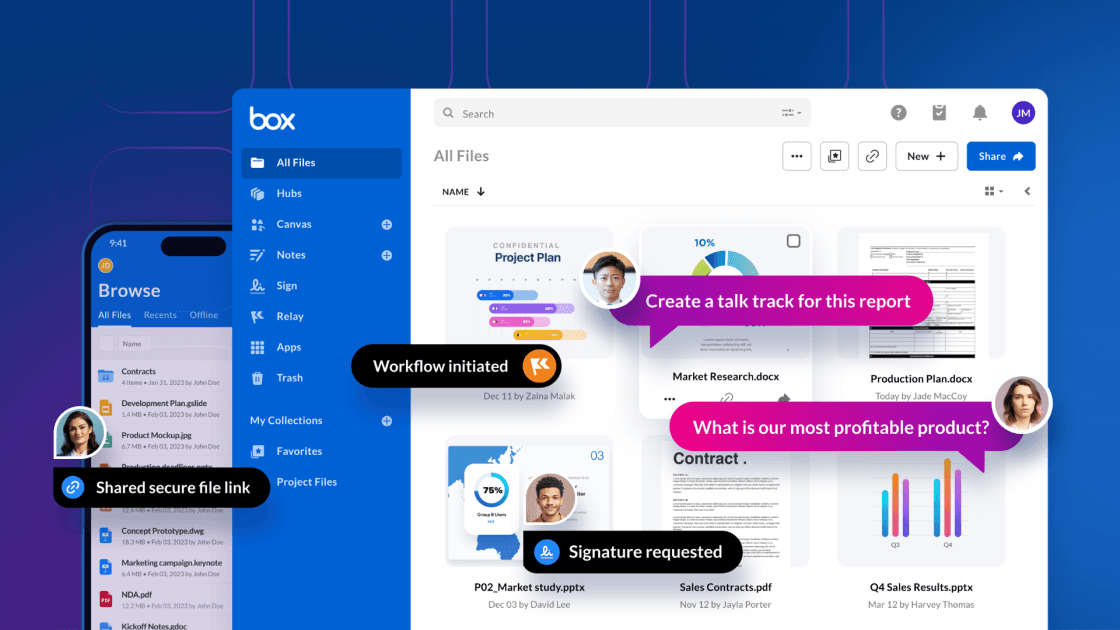
Intelligent Content Management from Box provides that foundation to put intelligent automation technology into practice. With Box, you manage documents, connect workflows across applications, and protect sensitive information while meeting regulatory standards.
Contact us to find the best intelligent automation tools for your unique needs.

Frequently asked questions (FAQs)
Is intelligent automation the same as AI?
No, intelligent automation isn’t the same as AI.
- Artificial intelligence is a technology that analyzes data, recognizes patterns, and generates insights or decisions. On its own, AI doesn’t execute tasks — it only provides the intelligence.
- Intelligent automation combines AI with automation tools that carry out the work. The AI interprets unstructured information, while the automation layer applies rules, moves data between systems, and completes processes from start to finish.
- Together, intelligent robotic process automation creates workflows that adapt to changing inputs while running at scale.
How does robotic process automation differ from intelligent automation?
Robotic process automation (RPA) focuses on static tasks, while intelligent automation extends those capabilities with AI.
Can I use intelligent automation and RPA together?
Yes, you can use intelligent automation and RPA together. In fact, intelligent automation relies on RPA as part of its execution layer. RPA handles the repetitive tasks, while AI technologies interpret unstructured data and guide decisions.
When used together, RPA carries out the actions and AI provides the intelligence. This combination allows organizations to automate entire workflows — not just simple steps — and adapt those workflows as inputs change.
What is an example of an intelligent automation solution?
An example of an intelligent automation solution is the document management solution that Box offers. Box uses AI to extract content from documents and maintain regulatory compliance. By combining intelligence with execution, Box helps organizations reduce manual effort, keep data consistent, and manage workflows at scale.