By migrating terabytes of legacy records to Box, Florida-based law firm Cobb Cole reduced document search times from minutes to seconds while securing sensitive client data with Box Shield and automating workflows with Box Relay, Box Hubs, and Box AI.
For most companies, moving content to the cloud is digital transformation. For Cobb Cole, it was a survival tactic.
Every hurricane season, Tony Cesar held his breath. As CIO of Cobb Cole, a Florida-based law firm, he knew that a bad storm didn't just mean downed power lines. It could also mean downed servers, lost access to client files, and attorneys who couldn't do their jobs. "We encountered a lot of issues with time during hurricane season," Cesar says.
But moving content to the cloud set off a chain of changes that would eventually touch every corner of how the firm works: how attorneys find documents, clients are onboarded, sensitive data is protected, and AI is introduced.
Key takeaways:
- Cobb Cole reduced document search times from minutes to seconds, saving attorneys and staff hours of time every day, by transitioning from the legacy Worldox flat file structure to Box's rapid search capabilities
- The firm replaced clunky encrypted email attachments with secure Box shared links, while implementing Box Shield for ransomware protection and integrating activity logs into their SIEM system
- The rollout of AI was deliberate: Piloting Box AI with a single department, building a self-service IT support hub, and using Box Relay to automate client onboarding and dynamic forms
A century of files, a legacy system, and a growing gap
Cobb Cole was founded in 1925. By 2019, the company had accumulated decades of legal records stored in a system called Worldox — a document management solution common in the legal industry that relies on a flat file structure. The system worked, until it didn't.
The firm's managed service provider was carrying significant overhead: managing physical servers, handling updates, and dealing with user access every time someone joined or left the firm. Storage needs kept growing. And then there was the weather.
Moving to virtual cloud infrastructure helped with the server problem. But the document management problem remained. Attorneys were spending up to a minute or two on a single broad search. Files were being shared via encrypted email — functional, but clunky and hard to govern. The firm needed something better.
Smooth and seamless migration and adoption
When technology moves faster than the people using it, you get chaos. Cesar and his team were very intentional about how they chose and implemented a new content management solution, initially evaluating two options: Microsoft SharePoint and Box.
“SharePoint made sense as part of our Microsoft ecosystem,” Cesar says, “but during trials, it was complicated. User engagement was poor.”
Using Box was pretty easy — kind of self-explanatory how to move [content], and it integrated with our practice management solution very nicely.
Box was different. “It was pretty easy — kind of self-explanatory how to move stuff, and it integrated with our practice management solution very nicely,” explains Cesar.
The flexibility of Box allows some users to work entirely in Box Drive, others entirely in Box.com, and many in a combination of both. This minimized disruption for attorneys and staff who were hesitant to change their daily file navigation habits in the midst of busy caseloads.
The migration to Box, which moved terabytes of data and complex nested folder structures, was completed in 2020. Cesar recalls. “We were moving very complex document structures, and I remember the migration team being very, very essential to getting us from the start to the finish.”
Security and time savings right off the bat
Moving away from Worldox's flat file structure to Box's rapid search capabilities had a measurable impact from day one. “Users were used to taking up to a minute or two to do a very broad search,” Cesar says. “Box could pull up those hits in seconds. I would say we are saving hours and hours of time a day.”
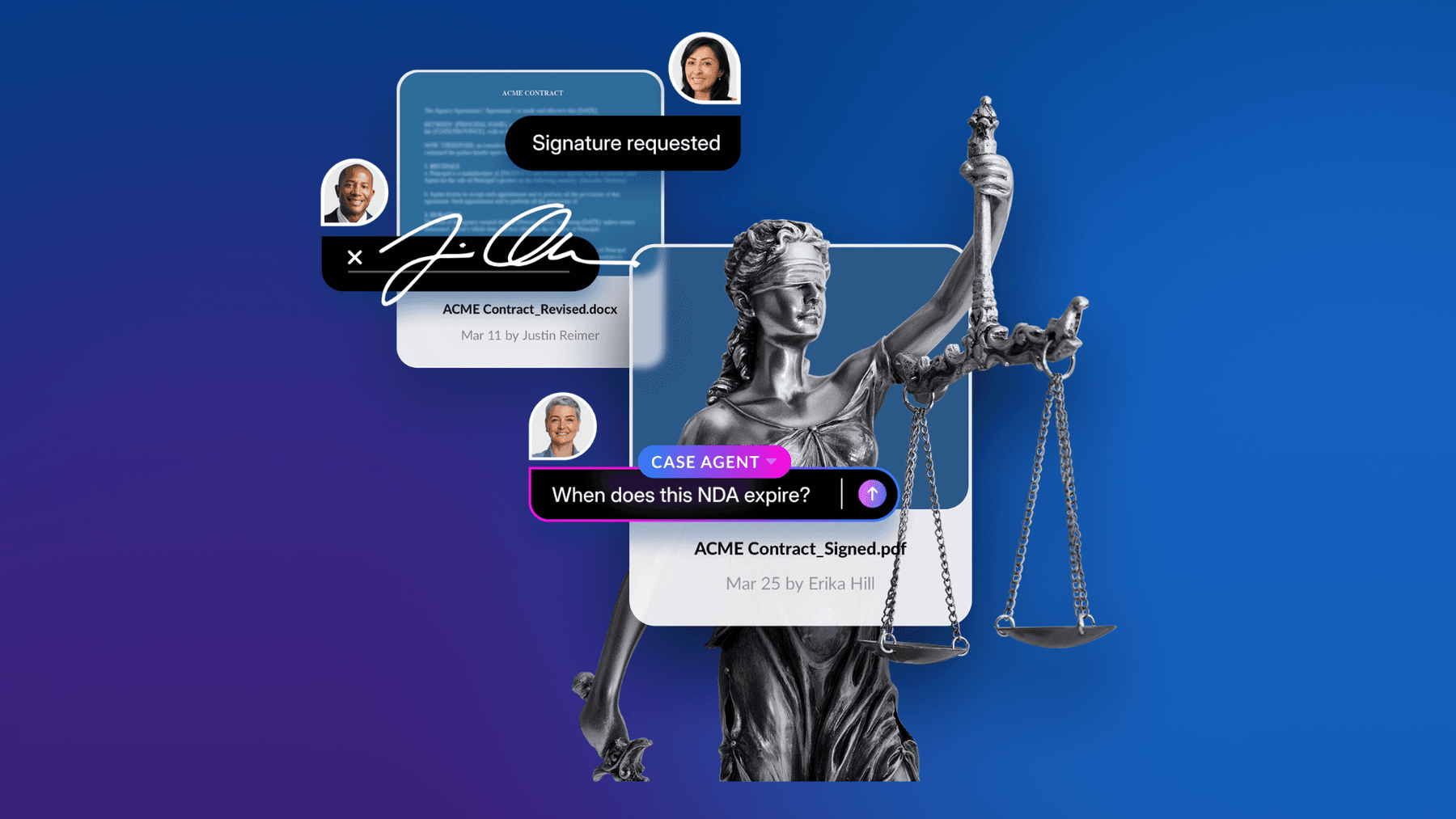
Security also improved significantly with the move to Intelligent Content Management from Box. The firm replaced encrypted email attachments with secure Box shared links, giving attorneys and staff a governed, controlled way to collaborate on sensitive client documents.
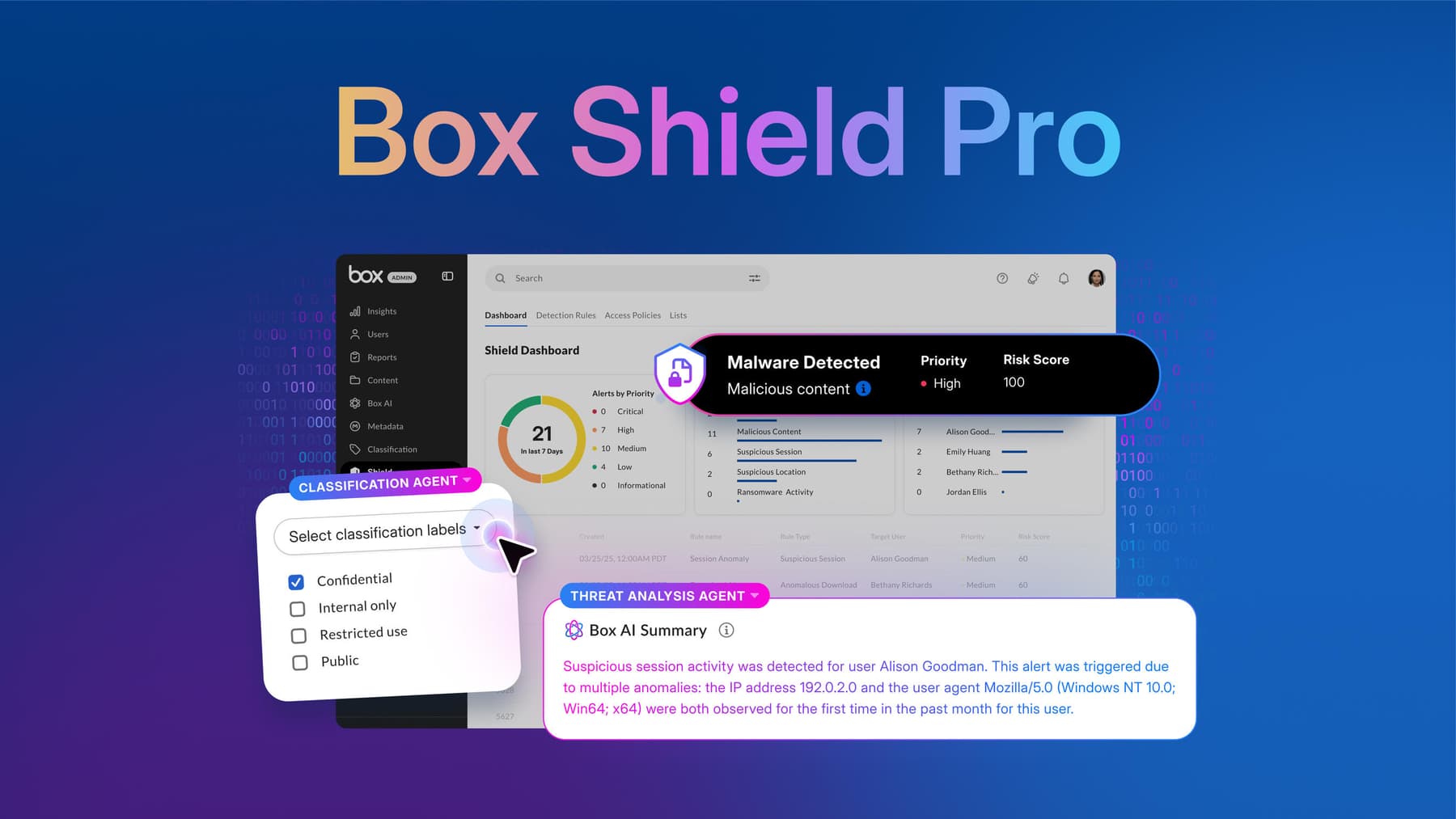

Box Shield’s ransomware protection also became a key part of the firm’s security posture, with the ability to detect potentially malicious files inside PDFs and lock them down until IT reviews them. The firm also integrated Box’s activity logs directly into its SIEM system via API, giving the security team real-time visibility into what’s happening across the platform. The firm deployed Box Shield Pro in January 2026 to strengthen its content security posture.
The thoughtful approach to AI
Content centralized and secured on Box also opened up possibilities for using AI. But Cobb Cole has taken a deliberate approach to rolling out AI efforts.
“We didn't want to just turn AI on just because everyone’s talking about AI,” Cesar says, “until we understood all the permissions, all the workflows, the appropriate use cases, user expectations, and best practices were instilled.”
We didn't want to turn AI on until we understood all the permissions, all the workflows, the appropriate use cases, user expectations, and best practices were instilled.
The firm piloted Box AI with a single department first, focused heavily on education, before beginning a broader rollout. The IT team built an IT support hub using Box Hubs, giving staff a self-service resource for common questions. With Box AI’s chat agent grounded in that hub’s content, employees can get answers to routine IT questions without filing a ticket.
The advantage of native workflow automation
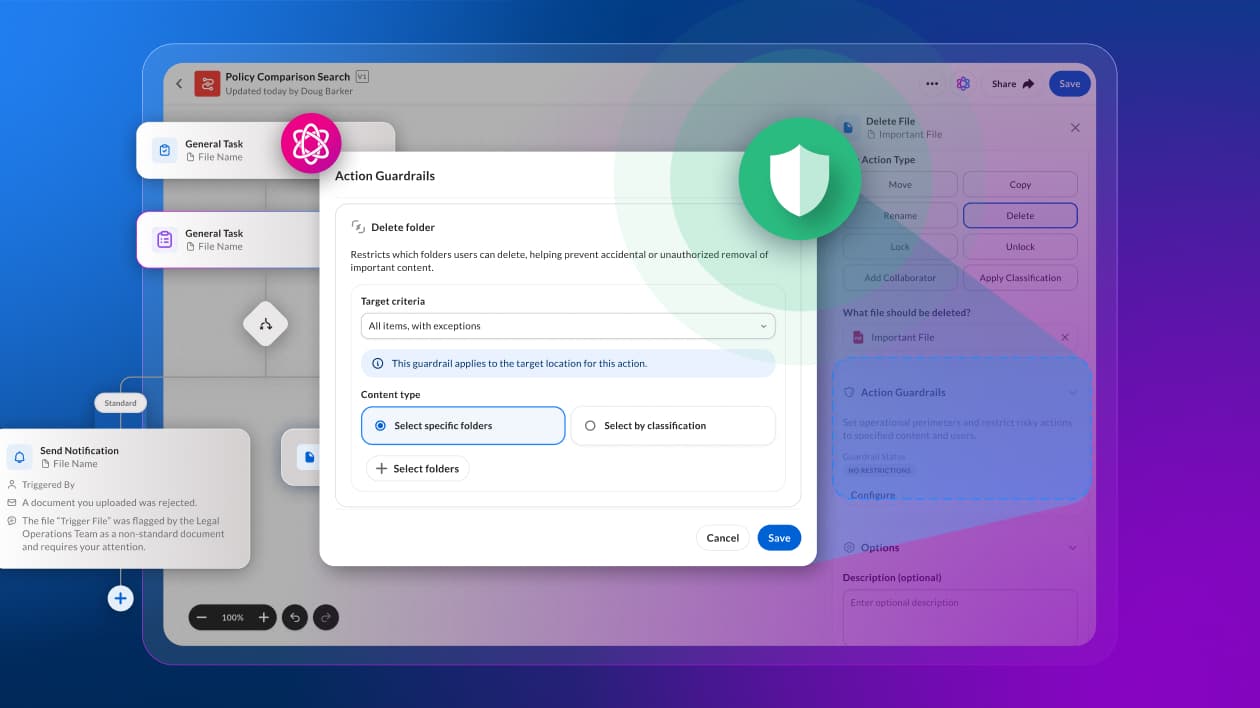
Automation is now where Cobb Cole is investing energy. When a new client is onboarded in the firm’s time and billing system, a corresponding folder structure is automatically created in Box — no manual setup required.
The estate planning department is also piloting Box to automate a 30-page family information form that changes dynamically based on client answers, with metadata used for AI-assisted knowledge retrieval.


What this means for other law firms
Thousands of law firms are still running on legacy document management systems, managing physical or virtual servers, and relying on manual processes that made sense decades ago but create real friction today. Cobb Cole’s approach is a solid model for law firms: a clear-eyed evaluation of options, a migration executed without disrupting the people doing the work, and a disciplined rollout of AI that prioritizes governance over speed.
“The nice thing is Box allows us to adapt based on how the user works every day,” Cesar says. Meeting people where they are, rather than forcing them to change overnight, is what makes modernization stick.