The 2026 NAB Show in Las Vegas made one thing clear: AI is no longer just about co-pilots and surface-level use cases in media and entertainment. It has become an essential layer helping accelerate operations behind the scenes.
In entertainment, the biggest change is from AI that helps to AI that acts.
The shift is real, and it’s happening inside the workflows that power production, marketing, and distribution.
We’re now seeing AI that can:
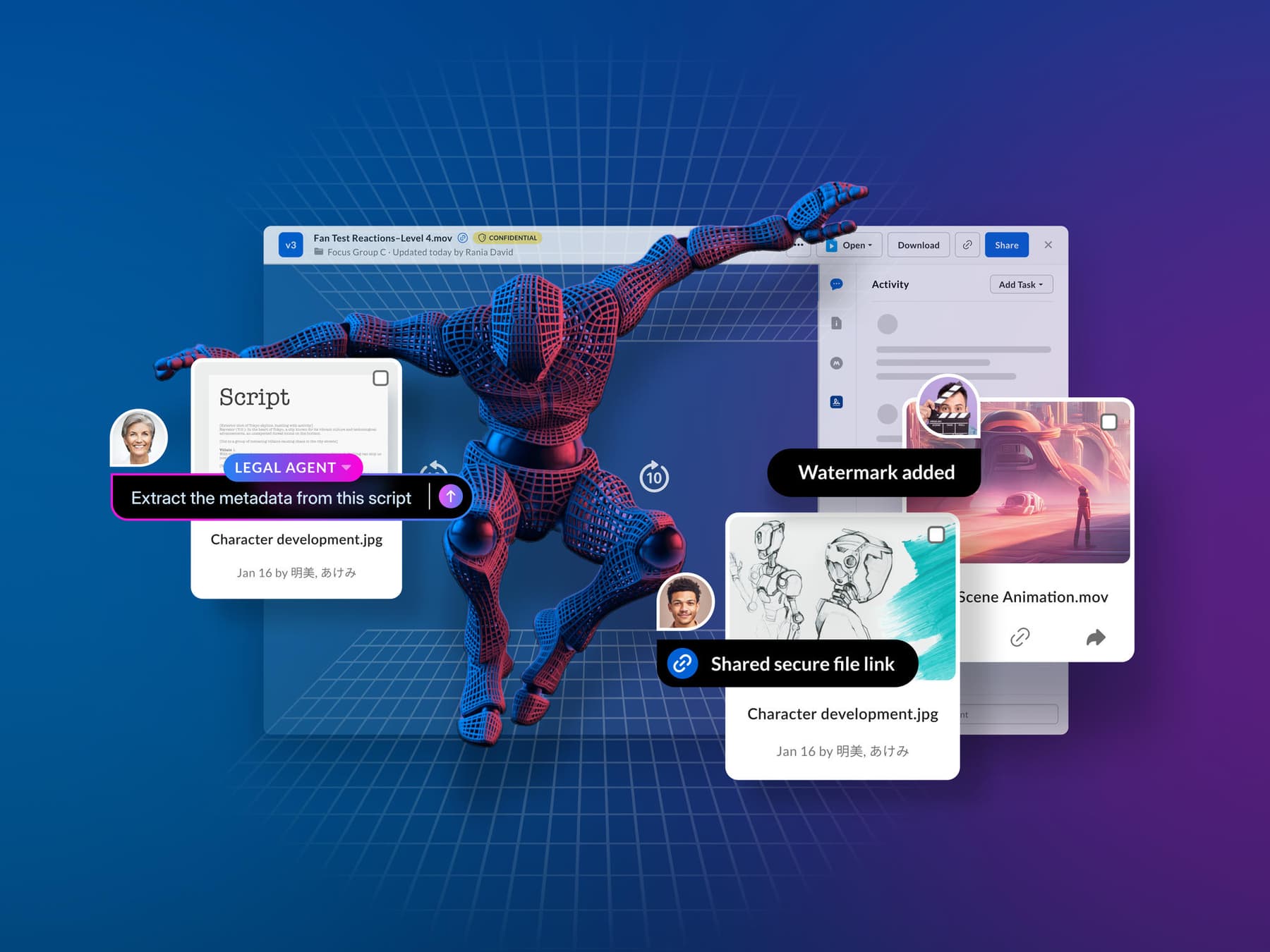
- Understand scripts, contracts, and video
- Extract key information (rights, talent, timelines)
- Trigger workflows across teams and systems
This is agentic AI — but it only works when it’s connected to the content that drives the business.
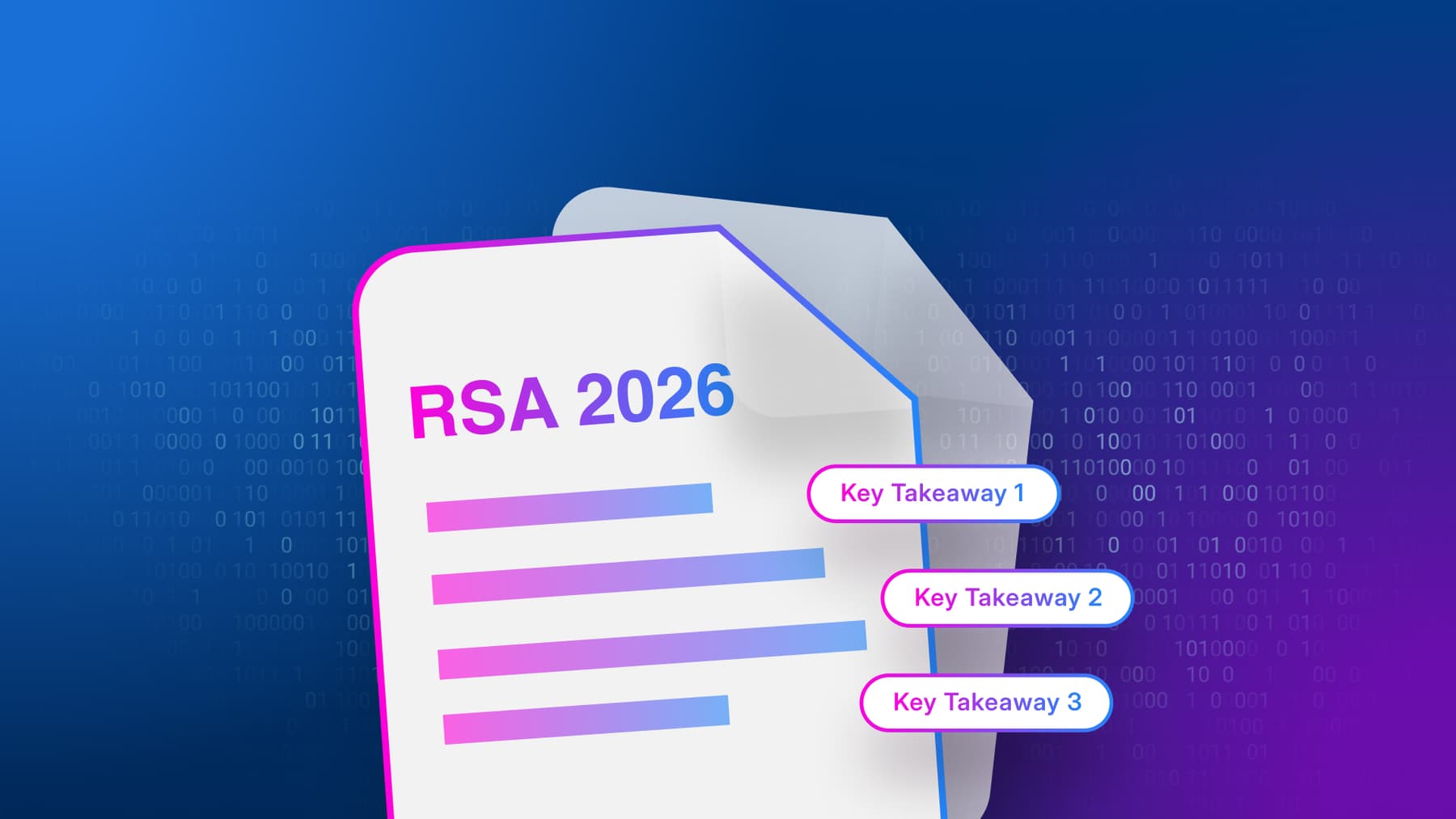
Key takeaways from NAB 2026:
- Content is the system of record that matters to nearly every M&E workflow
- Metadata is the foundation of intelligence and critical to AI’s understanding of the context of your business
- Automotion is where M&E companies will get the real ROI from AI efforts
- The sheer scale of content in M&E companies means that legacy infrastructure is usually a blocker
- Content security absolutely must scale along with your AI efforts
Content is the platform
In entertainment, the system of record isn’t your apps but your unstructured data, otherwise known as your content. Content is at the source of every operation, whether it’s an agreement that secures talent, a contract with a vendor, a media asset that’s pivotal to a marketing launch, or the budget for a developing title.
With the advent of AI, work is getting done faster — and there’s also more content being created than ever before, and at record speed. Without the right content management platform and governance in place, the workload becomes unmanageable, with bottlenecks becoming chokepoints, and increasing security risks.
And while AI is responsible for the uptick in content production, it’s also critical to helping manage this content. AI-powered security, governance, metadata-extraction, and workflow automation all come into play.
Ultimately, every workflow, decision, and dollar ties back to the creation, development, and delivery of another kind of content: your IP. Without the agreements, contracts, and budgets in place, the screenwriter never gets to the script. Without the legal rights acquisition paperwork, that book never gets made into a film. Without the campaign assets, forget about promoting a new show.
When content is scattered across systems, people lose the context they need to move quickly and make confident decisions — and AI agents can’t tap into all this context to automate workflows and speed up work for teams.
That’s why your content platform matters so much to the evolution of AI within your company. Without accessible, connected, governed content, you can’t execute successful AI-powered workflows.
Companies like Box exist to create a layer where content is centralized, secure, and connected to the workflows around it. With this in place, content becomes much more than just stored information. It becomes a source of intelligence, coordination, and action. AI can think through it, metadata can organize it, and automation can move work forward efficiently based on a team’s needs.

Metadata as the foundation of intelligence
AI delivers the most value when it can understand content in context, with the metadata, permissions, and business signals needed to turn information into meaningful action and valuable workflows.
Without automated metadata, valuable content stays hard to find and harder to act on. Without permissions, AI and workflows lose the secure context needed to move work forward. Without content and AI governance, your IP risks being compromised.
The shift we’re seeing in M&E in 2026 is toward automated metadata extraction at scale — turning unstructured content into something AI language models and AI agents can act on.
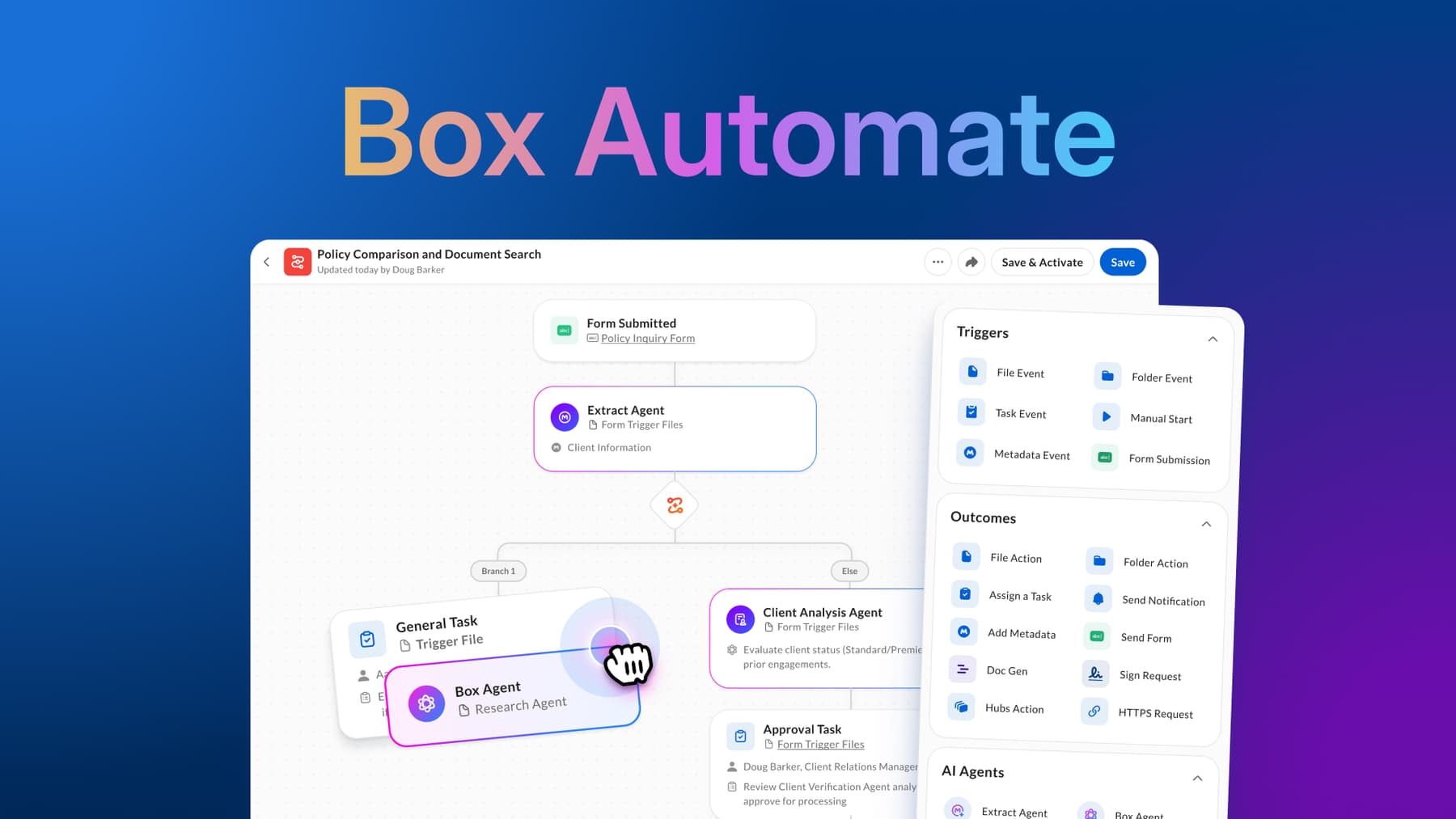
This unlocks faster rights management, better asset discovery, and real operational efficiency. For example, instead of manually tagging contracts, scripts, production files, or marketing assets, Box Extract can help teams retrieve key fields at scale so content is easier to search, organize, govern, and route through downstream workflows.

Automation is where real AI ROI happens
AI without action is just insight. The real value comes from what happens next:
- Files routing automatically
- Approvals moving without friction
- Workflows triggered by content changes
This sequence translates into reduced manual work for teams, accelerated timelines for projects, and bottlenecks removed across the content lifecycle.
With Box Automate, teams can route files and tasks across creative teams, clients, vendors, and business systems, extracting key information from content to keep work moving with built-in governance and permissions.
For studios, agencies, and production teams, that means faster client onboarding, campaign launches, smoother production and review cycles, stronger IP protection, and fewer manual handoffs across the content lifecycle.

Scaling content workflows without infrastructure limits
Another shift emerging at NAB: the need to support massive content volumes without being constrained by local infrastructure.
As production teams work with increasingly large video files, raw footage, and complex asset libraries, traditional device storage is no longer sufficient. That shift was visible across the show floor at NAB, where conversations centered on the sheer scale of content in media & entertainment and the growing strain it places on local infrastructure.
As teams manage increasingly large media assets across productions, they need a way to work with high volumes of content without being limited by internal device storage.
With new Box capabilities like External Drive for macOS, teams can store high volumes of Box content on external storage while maintaining the same native MacOS experience. This allows creative and production teams to work with large-scale content seamlessly, without being limited by internal disk capacity, while still keeping everything centralized, secure, and governed in Box.

Security has to scale with speed
As collaboration expands, so does risk. Pre-release content, global teams, and external partners create constant exposure. The answer isn’t slowing down but building security into the workflow.
That means:
- Automatic classification of sensitive content
- Real-time threat detection
- Watermarking and traceability for video
- Adding structure and control to digital rights management
Speed and security aren’t tradeoffs. They’re interdependent.
NAB 2026 crystallized what the modern entertainment stack actually looks like: AI delivers the intelligence, metadata provides the foundation, automation drives execution, security establishes trust, and content sits at the center as the platform everything runs on.
These components are all interdependent layers of a single system. The companies that integrate them won’t just be more efficient but move faster to market, scale creativity across teams, and ultimately unlock far greater value from the content that powers their business.
The next phase of transformation isn’t about more tools. It’s about bringing AI directly into the content workflows that run the business. That’s where the real opportunity is for entertainment.
Learn more about how Intelligent Content Management can help M&E.


