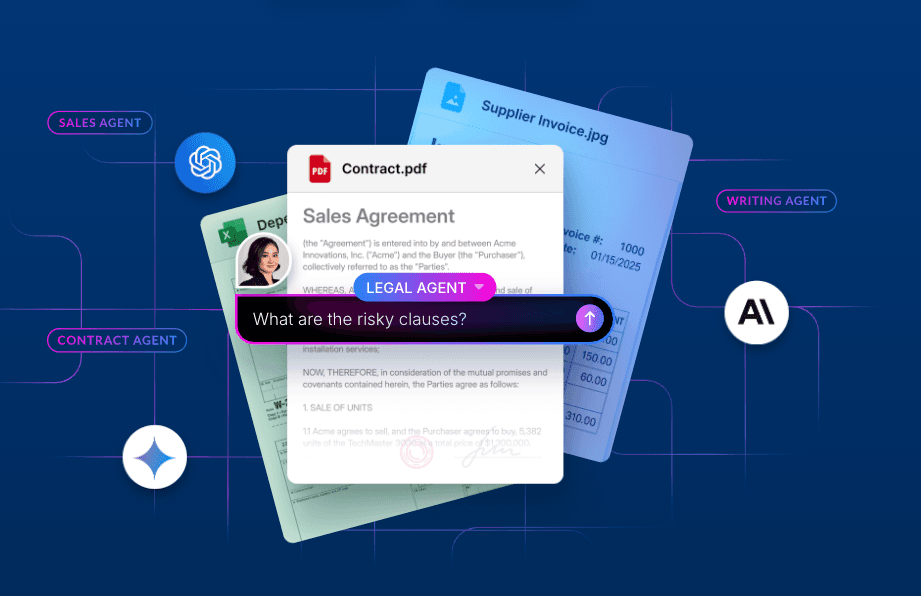
Autonomous agents represent something entirely new — not chatbots that answer questions, but delegates that act on our behalf, executing code, managing files, and running complex multi-step workflows with unprecedented autonomy. As enterprises look toward a future where they may deploy 100x more agents than people, a fundamental gap has emerged: there's no infrastructure layer around agents that gives them the access they need to be productive while enforcing the security and privacy controls that make them safe to deploy.
As announced at NVIDIA GTC 2026, Box is collaborating with NVIDIA to close that gap — enabling enterprise AI agents to safely access, analyze, and act on unstructured data in Box, while maintaining existing access controls, compliance standards, and data governance. We are teaming up on NVIDIA Agent Toolkit - and as we look ahead, we’re excited about what’s possible with NVIDIA NemoClaw — an open source stack that simplifies running OpenClaw always-on assistants, more safely, with a single command. As part of the NVIDIA Agent Toolkit, it installs the NVIDIA OpenShell runtime—a secure environment for running autonomous agents, and open source models like NVIDIA Nemotron.

How Box acts as a secure file system for your agent strategy
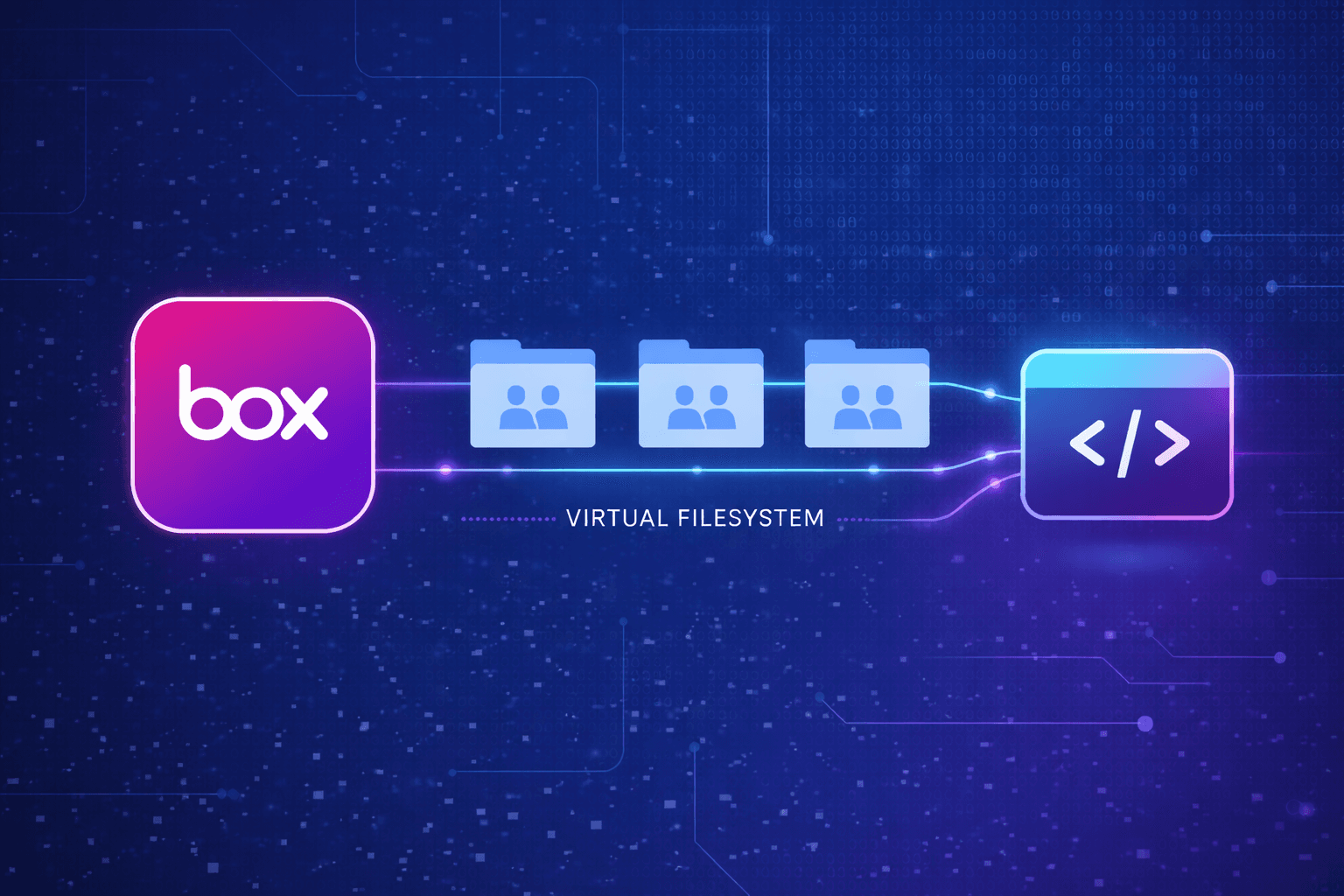
For AI agents to be truly productive, they must interact with files — the native unit of work in the enterprise. Agents use files as context to understand tasks and produce files as their primary output, such as draft contracts, marketing assets, or financial spreadsheets. As enterprises transition to deploying agents, these autonomous workers require the same rigorous security, governance, and auditability that organizations demand for human employees.
Box provides exactly this foundation. Just as every enterprise employee needs a file system, every agent deployment needs a secure, governed layer where files can be read, created, and stored with confidence. Without it, agents either operate blind — lacking the context needed to do meaningful work — or they operate recklessly, touching data without the controls that keep enterprises compliant and protected.
A modern integration surface built for autonomous agents
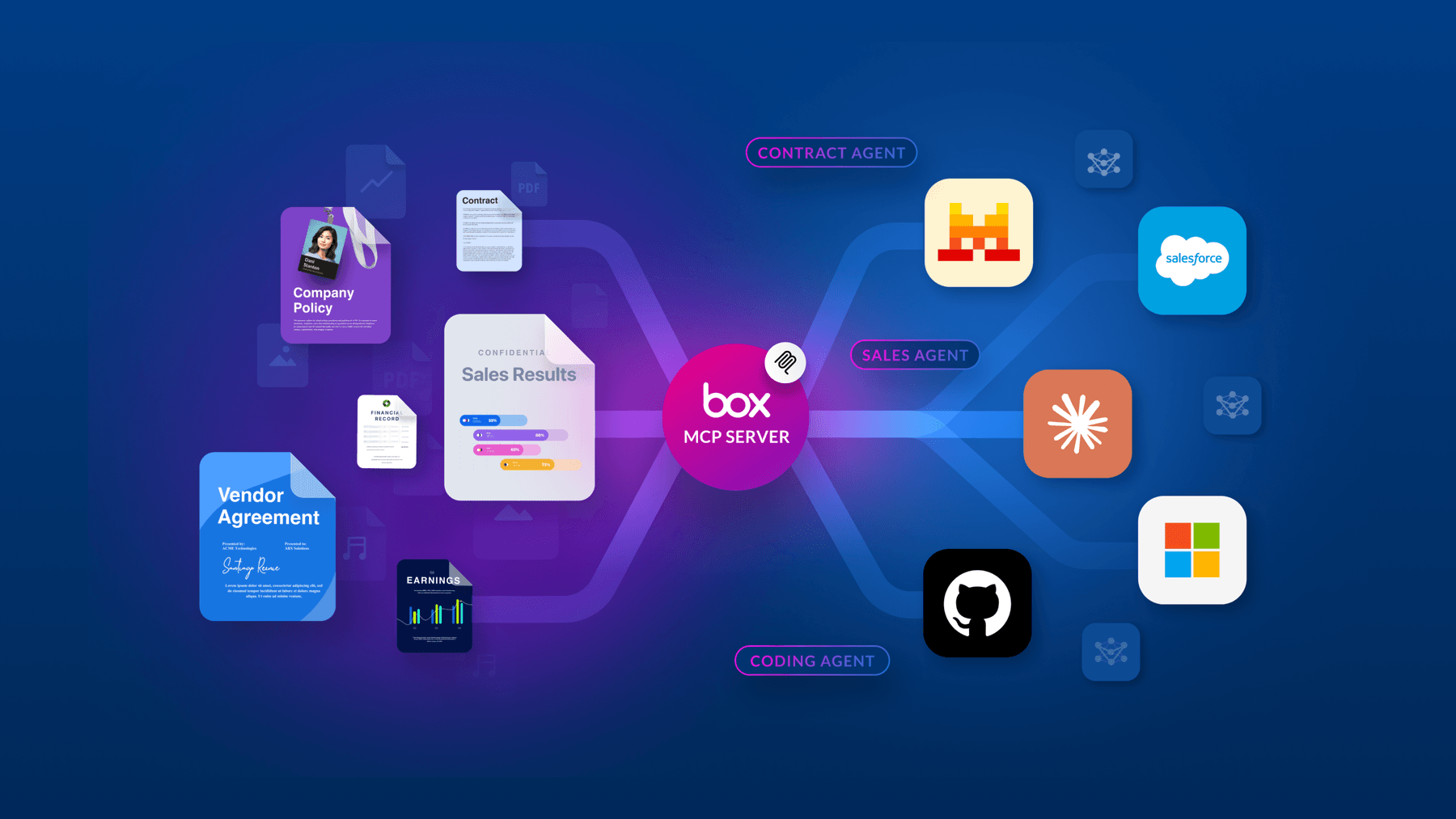
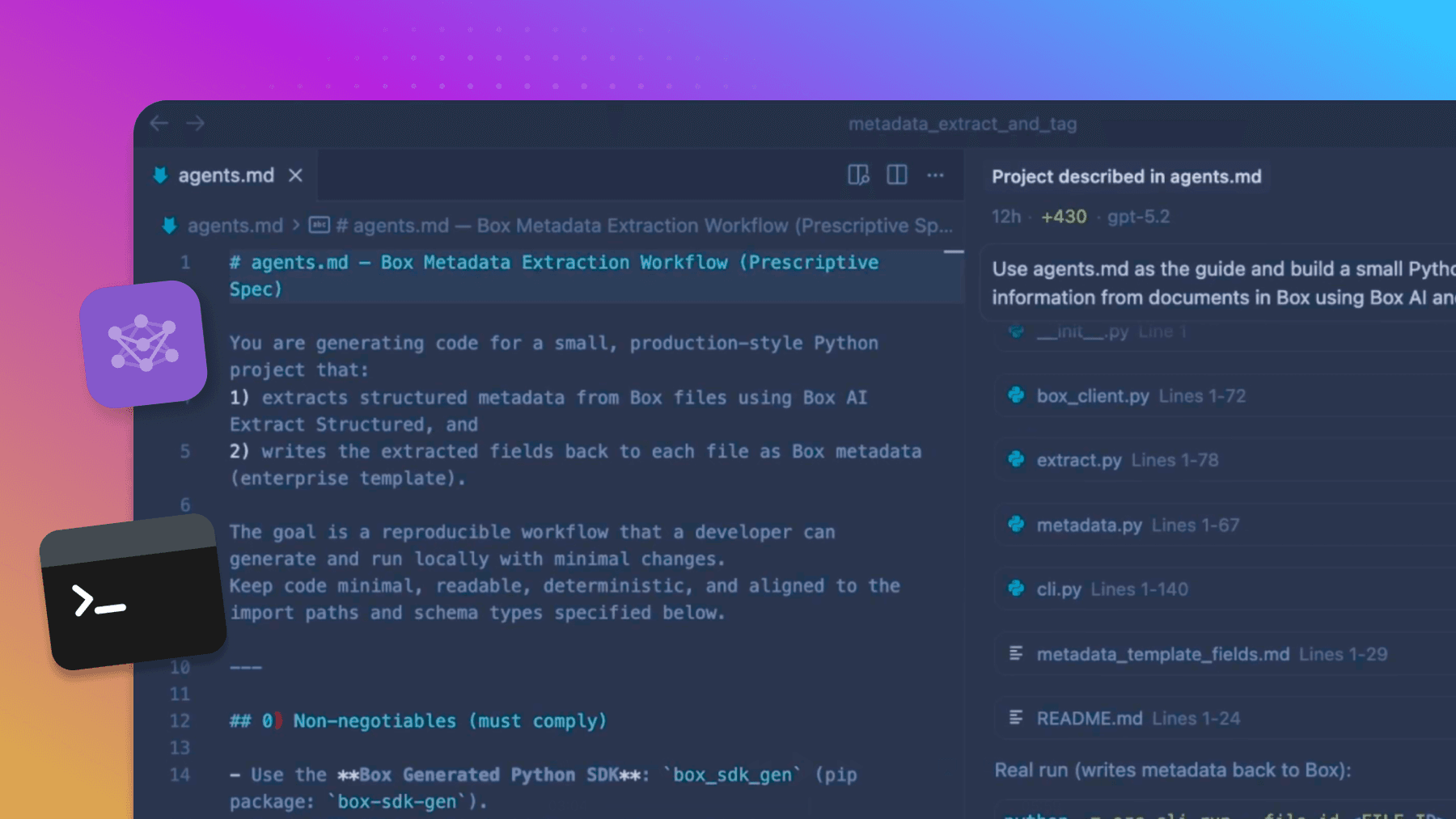
Agents interact with Box through a multi-layer integration surface designed specifically for flexible, autonomous operation. While the Model Context Protocol (MCP) is available as an option for connecting agents to content, this architecture allows OpenClaw always-on assistants to interface with the Box file system,Box Skills, and the Box CLI (Command-Line Interface) securely through the OpenShell runtime. This allows agents to securely and reliably leverage core content capabilities—like document generation and data extraction—directly through the interface most appropriate for the task. The NemoClaw CLI gives developers access to the runtime environment needed for their agents, while Box CLI provides robust, API-first entry points for managing content and executing specialized operations.
Security enforced at every layer
Each agent — whether handling legal contracts, sourcing RFPs, or GTM workflows — runs within its own isolated Sandbox Supervisor. In a significant step for agent governance, the OpenShell architecture integrates security policies defined in the runtime layer alongside the policies and permissions of the data sources the agents are referencing. This means that an agent's interaction with files in Box will follow the exact policies and permissions defined in Box, which are communicated to the agent via the Policy Engines and Gateways in OpenShell. The Gateway sits between the agents and Box content, enforcing strict guardrails and security policies before any data is exchanged.
Pre-built skills and hierarchical agent management
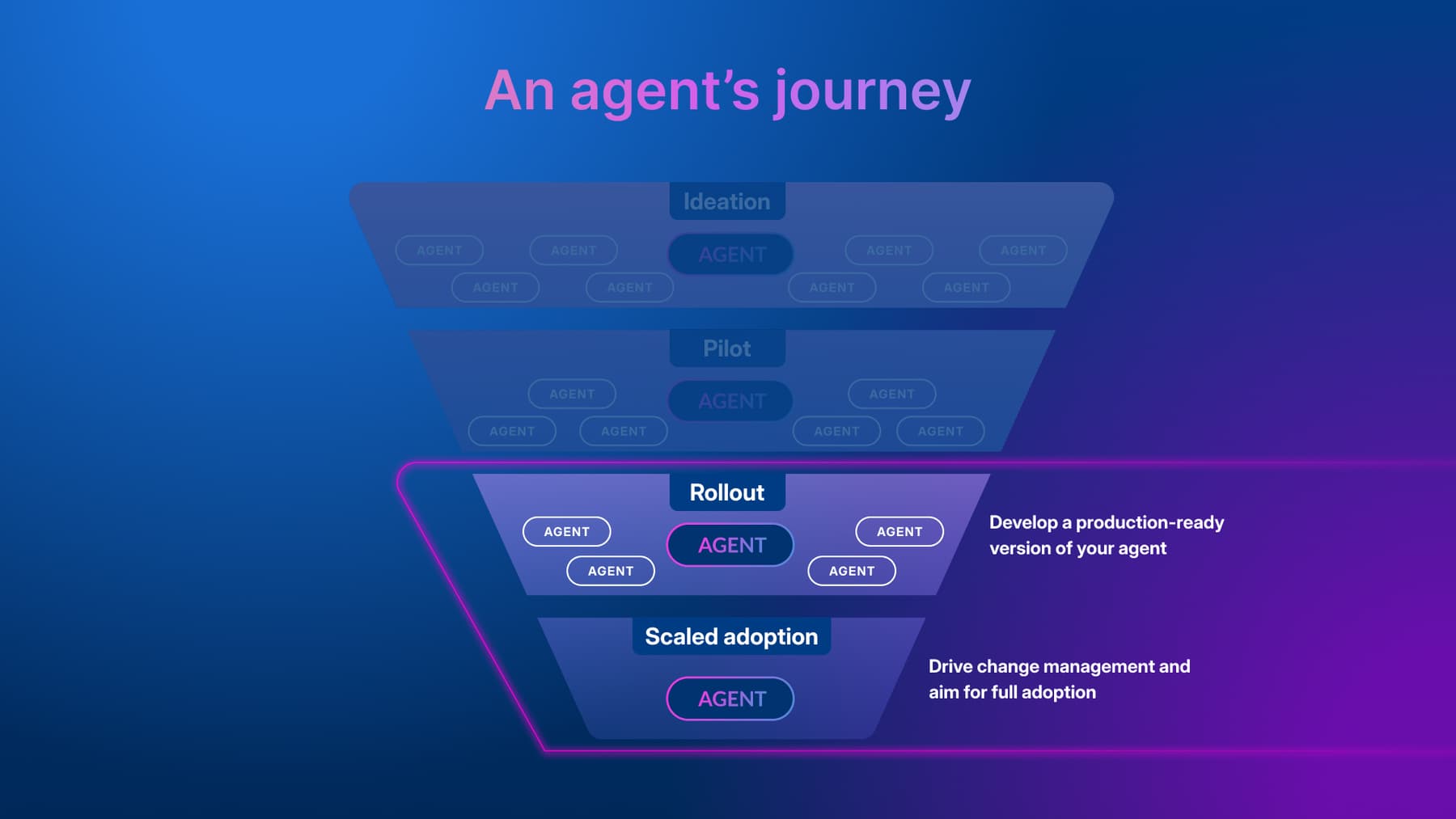
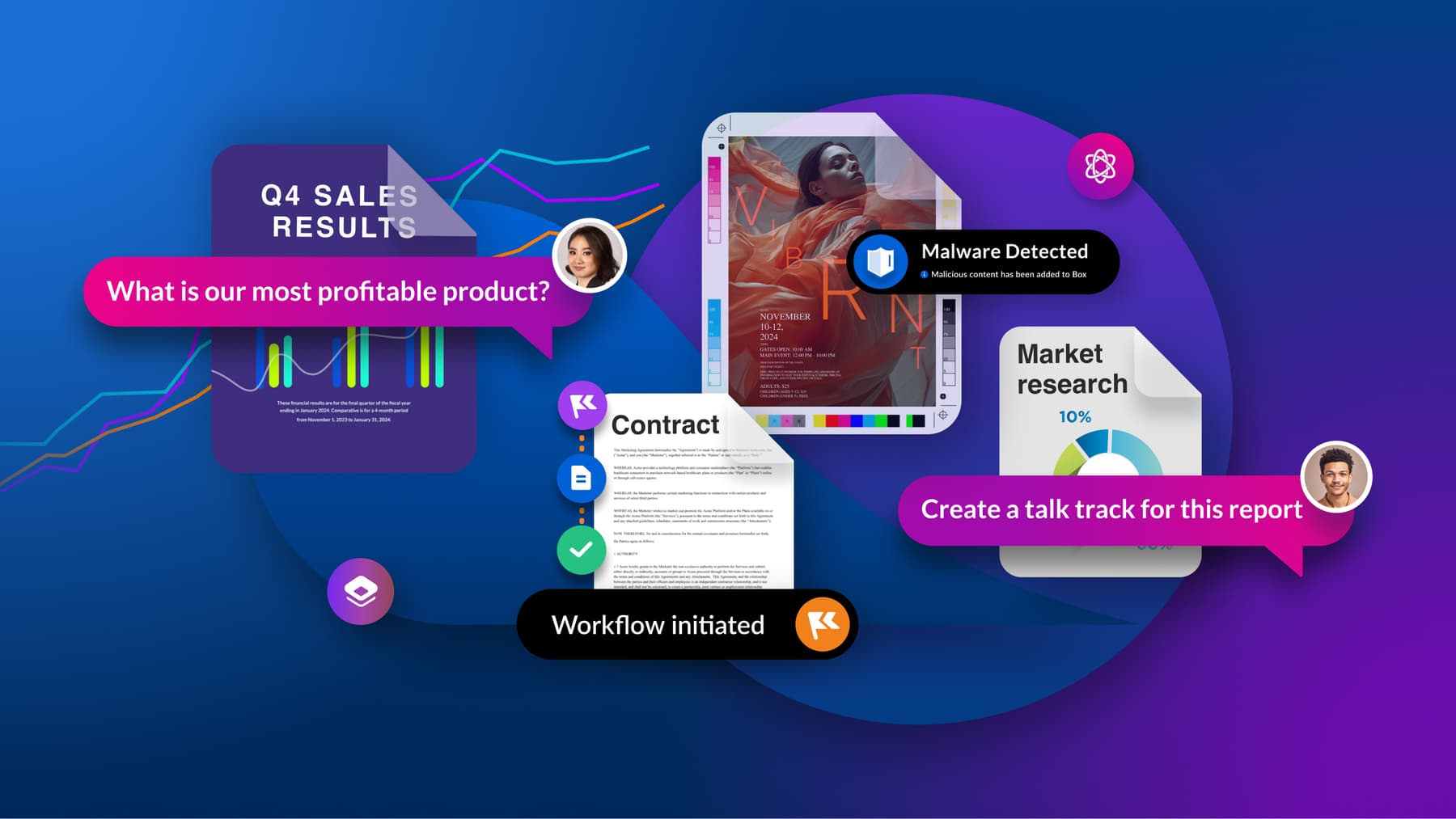
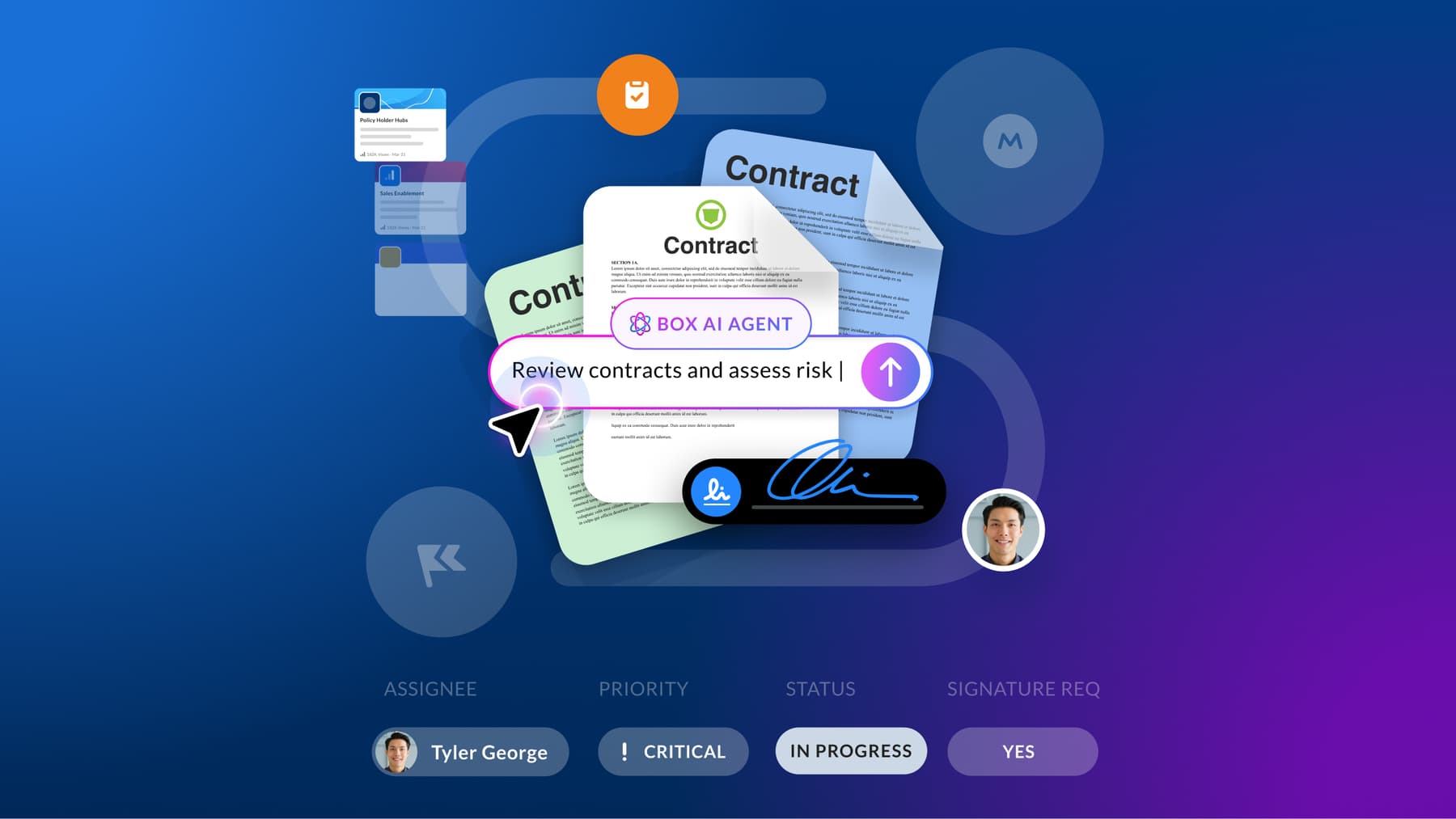
Rather than leaving agents to figure out file handling on their own, Box provides pre-defined Skills that give agents an understanding of how to work with the Box file system and structured ways to work with specific file types. Invoice Extraction and Contract Lifecycle Management skills allow agents to perform high-value tasks natively — extracting data, generating documents, and running AI Q&A directly on files. The architecture also supports hierarchical agent management, where a parent agent such as a Client Onboarding Agent can spin up specialized sub-agents to handle discrete tasks, all while remaining governed by the OpenShell Policy Engine and Box's authentication and permissions layer.
Auditability at enterprise scale
In practice, this means an agent orchestrating a contract renewal workflow can pull the original agreement, relevant amendments, and supplier history directly from Box — respecting the same permissions that govern human access — then write its output back into Box with a full audit trail. No data leaves its governed environment. No shadow copies accumulate in an agent's memory. Every action is logged and attributable.
This matters especially as enterprises scale toward agent-to-human ratios that would have seemed implausible just a few years ago. At that scale, informal or ad hoc approaches to file access become untenable. Organizations need to know which agent touched which file, when, and why — and they need the ability to revoke access instantly if something goes wrong.
Box brings to the agent era what it has always brought to the enterprise: a content layer that is secure by default, compliant by design, and built to operate at the scale of how modern organizations actually work. Paired with NemoClaw and OpenShell's runtime security, enterprises can now deploy autonomous agents with the same confidence they extend to their most trusted employees.
Get started today
Enterprises don't have to choose between AI agility and enterprise governance. Box is the file system for your agent strategy. Paired with NemoClaw, it's the complete foundation for deploying agents safely at scale.
Ready to start building? Discover how to integrate your agents with Box today.