Most enterprise AI projects don't fail because the model isn't powerful enough. They stall because the model is missing the context that makes it useful inside a business: the contracts, records, policies, procedures, metadata, permissions, and workflows where an organization keeps the knowledge it actually runs on.
As Box CEO Aaron Levie puts it, "While AI models have an incredible amount of capability packed into them, there’s no shortcut to getting that intelligence applied to a business process in a stable way.”
Effectively connecting models to that context is key to the lasting success of enterprise AI. It takes someone who can get an organization's content ready for AI, design and build the workflows and agents that run on it, and keep improving them as the models and approaches change.
That is what Box Forward Deployed Engineers (FDE) do, one of many new categories of work that AI is creating across the enterprise.
We know from our own experiences, and those of our customers, that AI can deliver individual productivity quickly. Business-level productivity, the kind that changes how a company operates, is harder.
While AI models have an incredible amount of capability packed into them, there’s no shortcut to getting that intelligence applied to a business process in a stable way.
To drive this change, a company needs someone who can rethink business workflows with AI in mind. "You're delivering something that constantly evolves, because the models and approaches change enough to reshape the workflow itself", says Levie.
Enterprise AI needs more than a broad, one-time setup. The customers seeing the most gains pick a high-value process where AI could change the outcome, get it working, and move to the next.
That’s why the role of an FDE is so crucial.
When the technology keeps moving, the advantage goes to organizations that have someone staying with the work — designing, building, and deploying solutions, and then adapting them as models and approaches change.

An FDE works on the enterprise context that makes AI useful
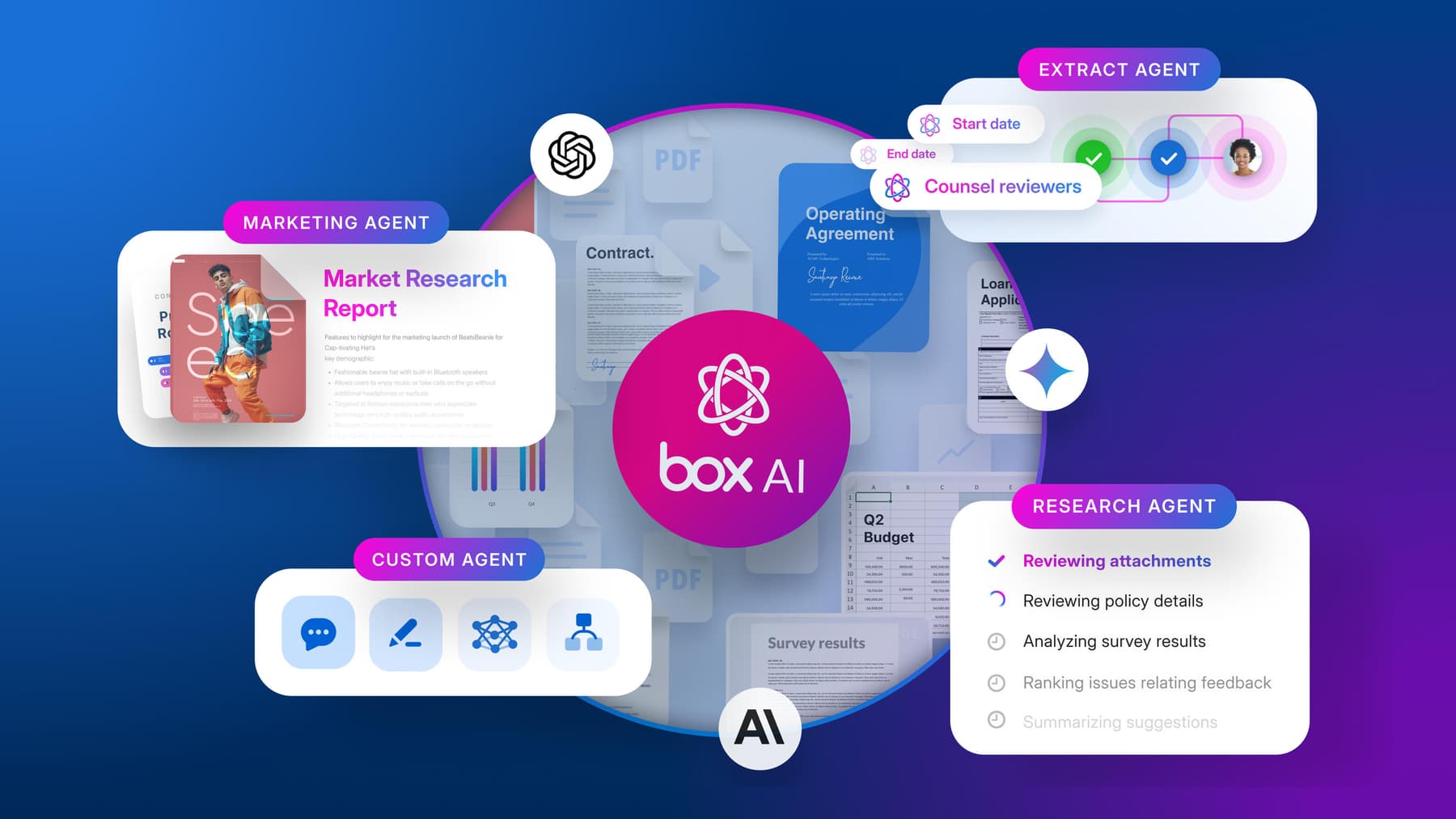
Box AI works across models, letting customers choose the best one for their different business needs.
A Box FDE works the same way, helping customers build content-centric AI workflows around whichever models best fit their needs.
An FDE focuses on the enterprise context around the model: the content, metadata, permissions, workflows, and business rules that determine whether an AI agent can produce work the business can rely on.
When the technology keeps moving, the advantage goes to organizations that have someone staying with the work.
The role is part engineer, part solution architect, and part customer-facing operator: able to build the workflow, make the right AI and architecture choices, and understand which business processes are worth transforming in the first place. Box FDEs pair technical fluency with a working command of each customer's industry and a clear view of what success looks like inside it.
An FDE prepares your content, builds the workflows, and keeps them improving
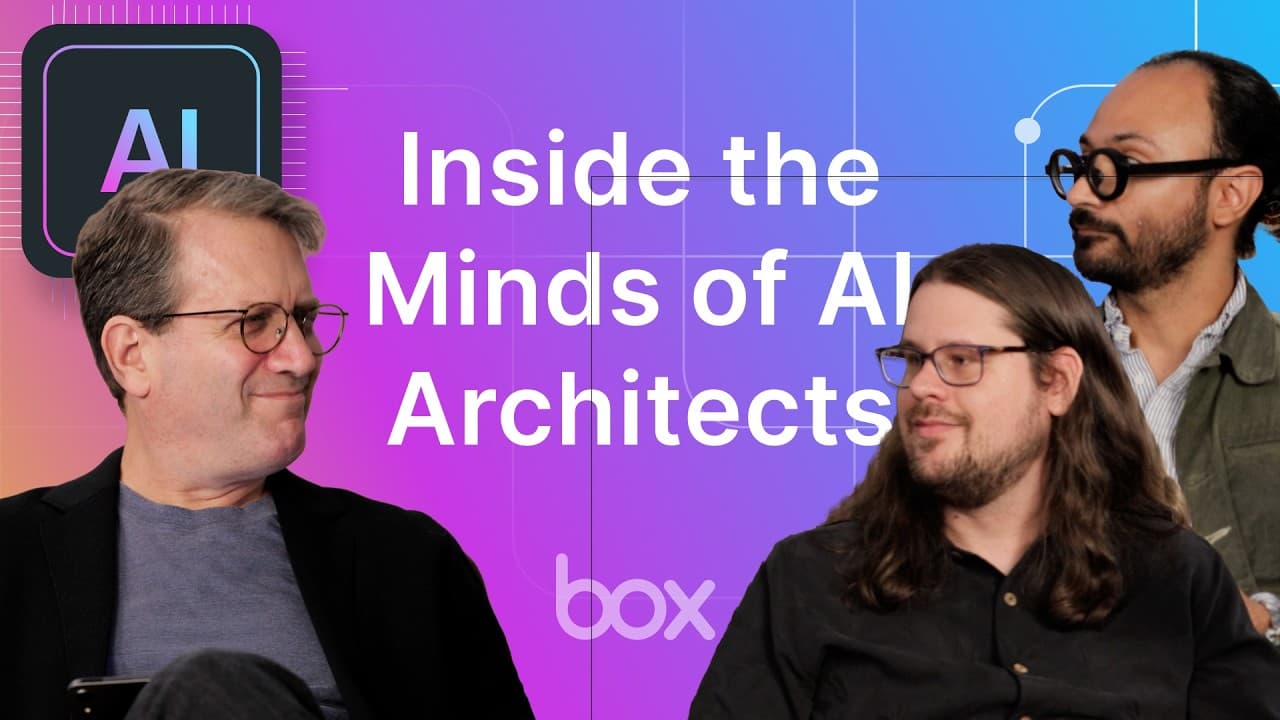
Over the past year, Box consulting and our AI Architects have embedded within customer companies, learning how a business works in depth and then building the AI workflows that change how it runs.
We've designed our FDE offering around what that work taught us.
The role brings together the disciplines that production AI demands: unstructured content architecture, Box's platform and APIs, retrieval and context-pipeline design, prompt engineering, agentic workflow design, AI evaluation, and a working command of the customer's industry and business context.
Across an engagement, an FDE’s work falls into three areas:
- Prepare your content for AI. An FDE assesses whether your content environment is ready, then structures it for AI — information architecture, metadata, permissions, and governance — so models and agents can retrieve the most relevant, current, and secure content.
- Design and build the workflow. An FDE identifies the highest-stakes processes worth redesigning around AI, then builds them end to end: the context pipeline, the prompts and generative steps, the agents, and the downstream actions and integrations. The strongest designs combine deterministic controls for the rules that must always hold — permissions, compliance checks, secure retrieval — with AI reasoning for the judgment calls. That mix is what makes enterprise AI trustworthy enough to act on.
- Keep it improving. After launch, an FDE tunes and evolves the system as prompts drift, agents multiply, and models and approaches change — refining for cost and quality, and finding the next workflow worth building.
Because Box AI works with any model, an FDE works the same way: choosing the right model and approach for each task by complexity, output quality, and cost, and moving you forward as models improve. Throughout, a Box FDE is measured by whether AI makes a real difference to the business process, not just whether a model can generate an answer.
Engagements range from a short assessment to ongoing embedded work
Engagements are flexible and can be as fixed or as prolonged as each customer needs. A workflow built today runs on models that will change, and each release can make a new capability possible or make existing scaffolding redundant. For customers who want it, an FDE stays engaged through that change — so the engagement can be a continuing relationship rather than a single handoff.
Getting started
To talk through where an FDE could help your organization, contact your Box account team.