Modernizing government isn’t just about moving faster. It’s about reducing administrative drag, strengthening oversight, and delivering services with greater transparency and trust. In this blog, we hear from former federal CIO Jason Gray, now at Box, on how lessons from USAID, the Department of Education, the Department of Transportation, VA, and DoD translate into pragmatic, scalable benefits across the federal government.

After decades in public service spanning DoD, TVA, DOT, the Department of Education, and most recently USAID — I reached a crossroads. I had received offers to continue as a CIO at other agencies, including the State Department, but I had a new career goal: I wanted to help all of government, not just one entity. And I would do so by building on lessons from multiple agencies. It’s the best way to scale impact while respecting the realities of federal missions, compliance, and resource constraints.
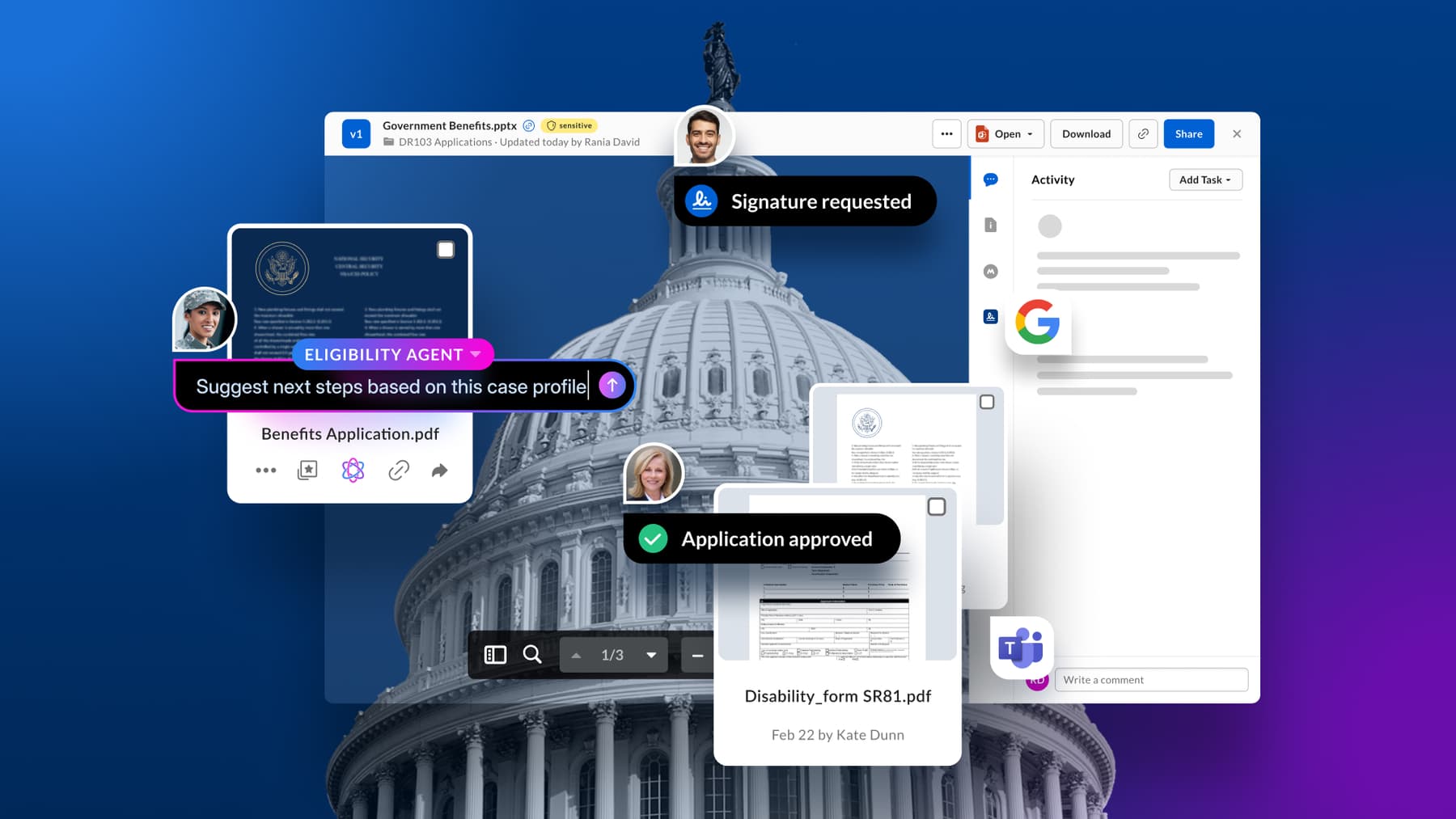
At USAID alone, operations spanned 80+ countries with different laws, missions, and oversight needs. The administrative overhead — compliance, acquisition, auditability — was immense and constant. In prior roles, I piloted solutions for correspondence tracking, grants oversight, e-discovery, workflow automation, and translations. Now that I’m at Box, I’m learning just how much the platform brings many of these needs together, reducing duplicative tools, contracts, and processes and ultimately winning time back for missions.
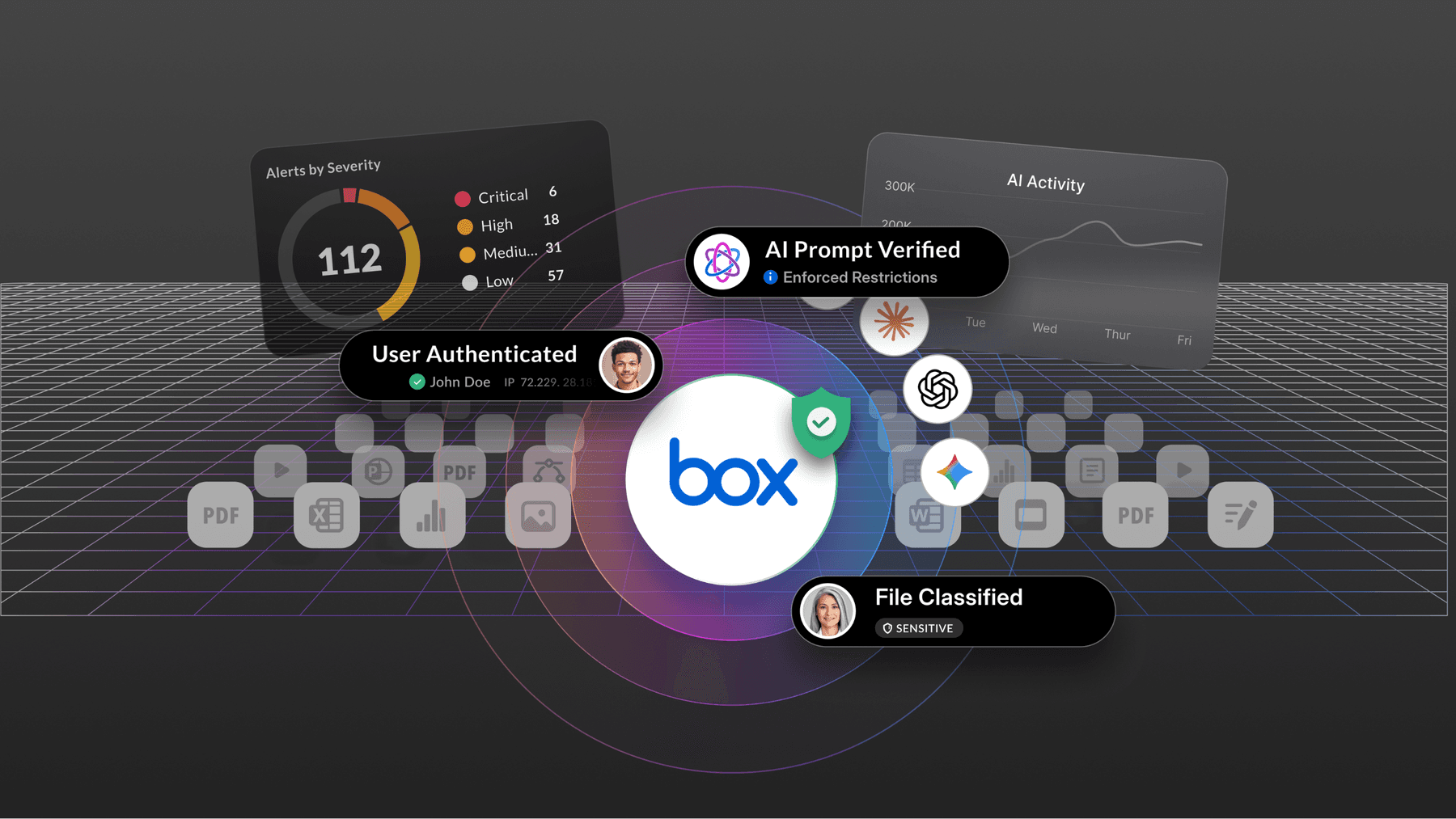
Critically, Box treats responsible AI as a first principle: Multiple LLMs are available to apply to content stored in Box, which is a FedRAMP High-authorized platform. That’s the model for trusted AI adoption at scale. AI informs; humans decide.

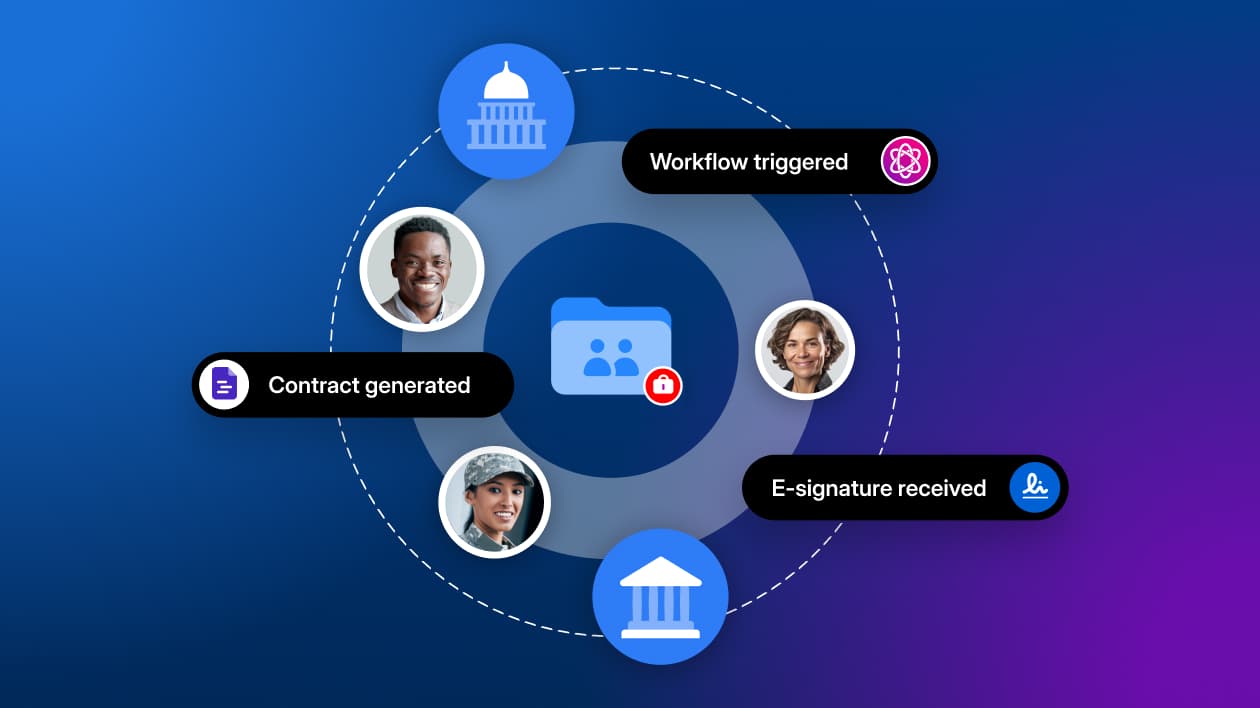
Federal technology is clearly moving toward consolidation over fragmentation and measurable efficiency gains under ongoing budget and staffing constraints. Agencies are prioritizing platforms that cover multiple needs (workflow, content management, discovery, MFA integrations, and threat detection) inside a single, secure, auditable environment. Evidence and auditability are now design requirements, not afterthoughts.
Whether it’s responding to congressional inquiries, IG or GAO requests, or records discovery, leaders need to find, cite, and track authoritative sources quickly and consistently. Operational AI is maturing in practical areas: translations for global health and humanitarian work; automated review of grant performance to identify what’s working and where to scale; cross-mission learning (think agriculture programs across regions) to replicate success faster; and content and correspondence management that accelerates clearances with a verifiable source of truth.
Box helps agencies move fast and safely because it aligns with these realities. A FedRAMP High foundation ensures that data stays protected and that content doesn’t train public models. Multiple LLMs in one platform let teams choose the best model for the job, from presentations to talking points and discovery, without juggling separate licenses.
End-to-end audit trails, permissioning, and references reinforce the “trust but verify” approach that federal teams require. On the security front, Box Shield Pro uses AI to sift massive event logs and surface true risk signals faster, which proves vital when agencies face millions of daily threats and can’t afford to miss telltale signs buried in noise.
Steering toward impact while avoiding pitfalls
The path to responsible AI adoption requires both strategic vision and tactical discipline. These four principles have proven essential across agencies looking to maximize impact while maintaining the trust and rigor that federal missions demand:
- Start with governance and training: Build confidence with clear policies, human-in-the-loop review, and repeatable prompts/workflows
- Prioritize high-value, high-volume use cases: Translations, correspondence tracking, grants review, and records discovery are ripe for ROI and risk reduction
- Measure outcomes, not activity: Track time-to-answer for congressional requests, time-to-hire, audit cycle times, and threat detection fidelity
- Consolidate where sensible: Replace multi-tool pilots with a platform that covers more ground, reducing acquisition burden and administrative overhead
I came to Box to expand my reach globally, to help public sector agencies deliver faster, safer, and more transparent services — without sacrificing rigor. By pairing responsible AI with a secure, consolidated platform, we can scale what works across government and keep people in the loop where it matters most.
Learn more about Box for federal government by viewing our Public Sector Virtual Summit, now available on-demand.