You’ve heard of the enormous capabilities of agentic AI. Moving beyond basic automation, AI agents exercise autonomy over complex decisions at scale. They not only analyze information to make and execute decisions, but dynamically adapt to changing operational conditions. Because of their impressive capabilities, agents are redefining how work gets done.
Yes, agentic AI promises to be impressive. But all that promise amounts to nothing if people don't trust it enough to actually use it. Especially because agents are capable of autonomy, trust is a powerful driver for agentic AI implementation. When teams don't (or can't) trust agents, the resulting self-imposed limitations lead to little payoff.
The enterprises that succeed will be those that build trust into their AI systems from the ground up, rather than trying to retrofit it later.
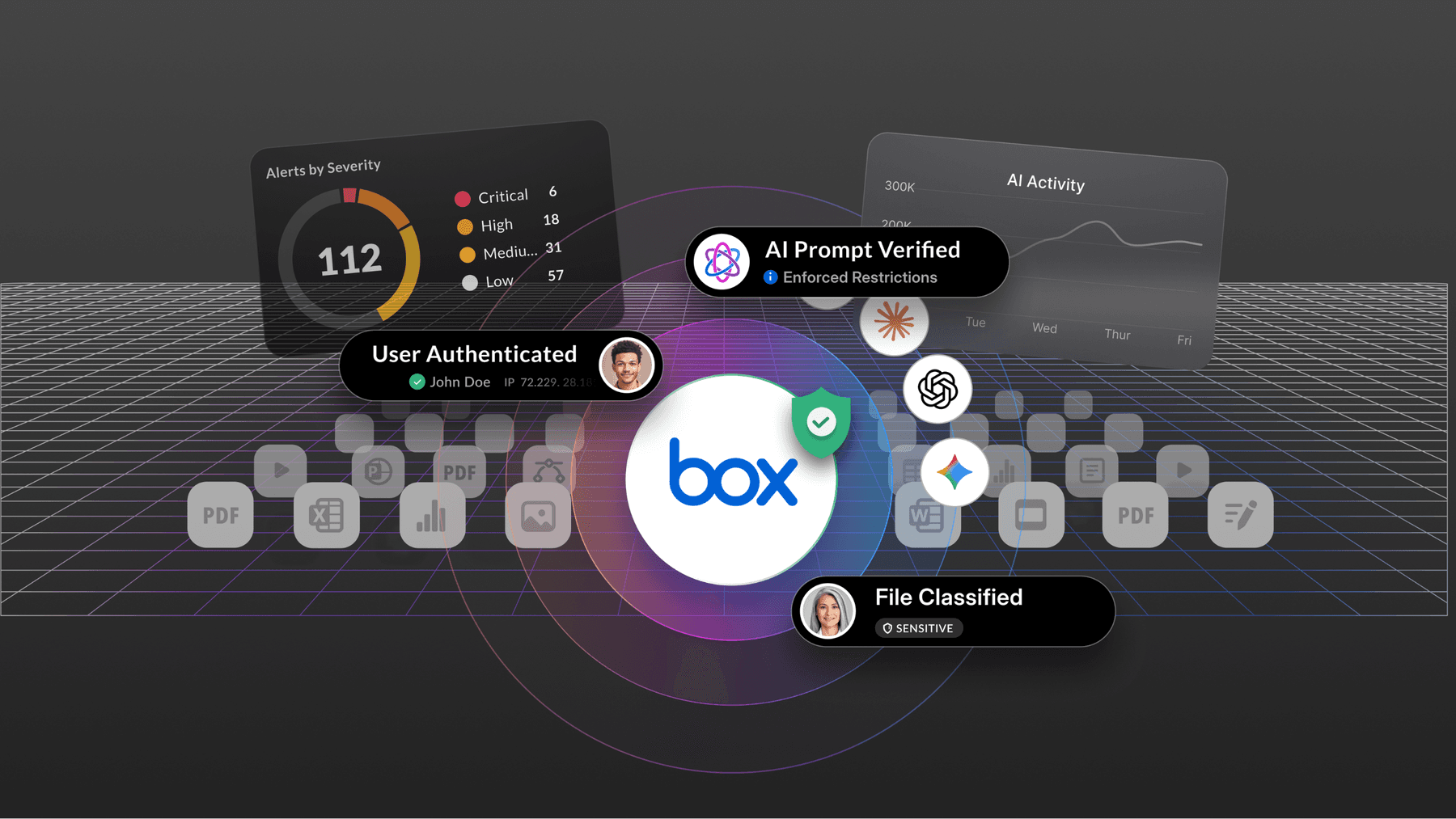
And there are many reasons why trusting agentic AI might be difficult. Most critically, AI agents create entirely new security vulnerabilities that traditional defenses can't handle. They can be compromised by malicious prompts, fall victim to adversarial attacks, and dramatically expand the attack surface. Meanwhile, agents risk accidentally exposing sensitive data, surfacing information that users technically have access to but shouldn't see through AI interfaces.

Beyond security, there are fundamental operational concerns about autonomous systems taking unintended actions or operating outside their competency boundaries. Add to this the "black box" problem—where AI decision-making processes remain opaque—along with issues like AI hallucinations, unclear accountability when things go wrong, and the psychological discomfort many feel about ceding control to machines.
When errors can scale across thousands of operations simultaneously, the stakes for getting trust right become enormous.
This is why, before deploying AI agents at scale, IT leaders and business executives need to build a rock-solid foundation of trust for the technology and processes to reach their full potential.
When errors can scale across thousands of operations simultaneously, the stakes for getting trust right become enormous.
This article is a playbook that shares the formula for implementing trustworthy agents. Enterprise teams will need to institutionalize a number of key characteristics: security, compliance, privacy, safety, transparency, legal, trust, quality, and reputation. Together, they comprise the building blocks for effective, reliable, and trustworthy agentic AI implementation.
The supporting pillars: What AI agents need to have to be trustworthy
The numbers tell a clear story about AI trust challenges, with four out of five people globally worried about the technology’s risk, according to a study from Melbourne Business School. And according to Box’s State of AI in the Enterprise report, 74% of companies list data privacy and security as their top concern regarding AI implementation.

Enterprises should operate by the premise that AI agents can’t keep a secret, which means they need to apply the same (or more stringent) safeguards than those that protect traditional infrastructure and workforce tools. These include:
Security: Beyond traditional defenses
Security has been a challenge to wrangle with for years as businesses hopped on the digital transformation bandwagon. The sheer scale and volume of content that enterprises work with is growing, which leads to a greatly expanded attack surface. AI agents embed into routine business operations, which raises the stakes of a potential security breach and makes comprehensive protection even more difficult.
AI agents without sufficient security guardrails risk delivering wrong or biased outcomes, as well as routing workflows in unwanted directions. Teams need to protect against adversarial attacks that try to compromise agent behavior and implement robust safeguards that prevent agents from operating outside their intended parameters.
Enterprises should operate by the premise that AI agents can’t keep a secret
AI agents need security awareness built not just into living code, but also into their learning processes. In this way, security boundaries evolve as the agent learns and adapts to new environments and lessons. Security-focused AI agents understand the context of enterprise content — an internal strategy report is more sensitive than routine market analysis — and can execute tailored security strategies.
Compliance: Living within boundaries
Agents can build trust currency by complying with related regulations no matter how frequently they shift — and where they shift to. They should be able to self-monitor actions to detect departures from compliance protocols, report, and course-correct. Beyond basic adherence to regulations, agents must also be able to demonstrate proof of compliance for auditing requirements.
Privacy: Respecting human boundaries
Some of the biggest areas of positive impact for AI — such as healthcare and banking — are also potent minefields for compromised privacy. Agents need to have contextual information for when data is sensitive. They must incorporate right-to-forget capabilities—the technical ability to completely erase specific personal information from models when legally required under privacy regulations like GDPR—rather than simply deleting it from databases. In addition, agents need to autonomously anonymize sensitive data and extract only relevant information from both structured and unstructured data.
Safety: Preventing unintended consequences
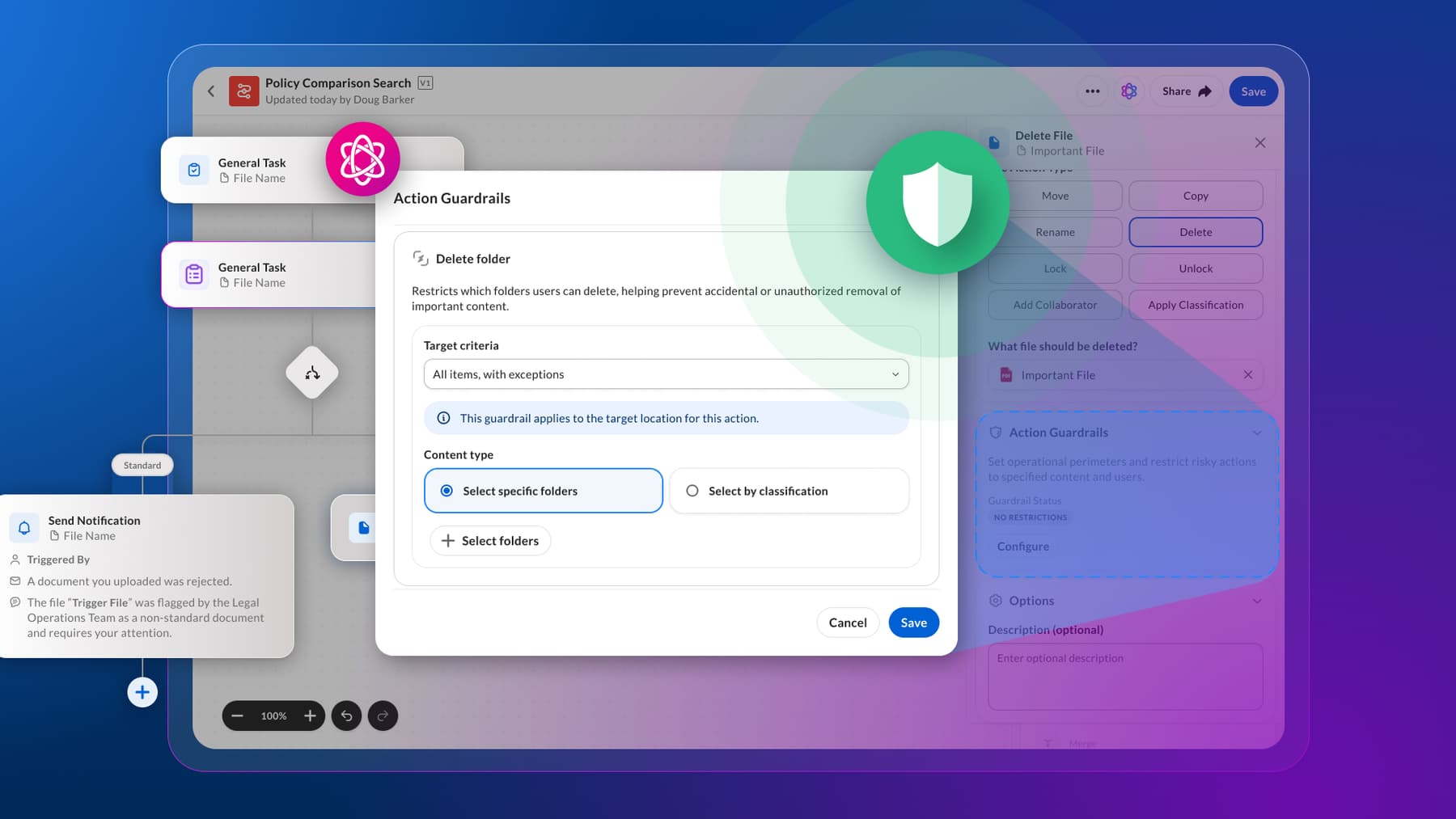
AI agents must employ permissions-first protocols when accessing content and generating responses, ensuring they respect organizational access controls and don't surface information that users shouldn't see, even if technically retrievable.
When AI agents make it clear that certain areas might be out of their knowledge range, they need to say so clearly to avoid operating outside their competency boundaries. When interacting with humans, not all prompts or responses will be clear. Agents need to parse these for context and gracefully handle ambiguity without leaning on harmful instructions.
AI agents must employ permissions-first protocols when accessing content and generating responses, ensuring they respect organizational access controls and don't surface information that users shouldn't see
Before acting, self-analysis of the impact of outcomes—including permissions verification—leads to more careful and trustworthy behavior.
Transparency: Shedding light on decision-making
AI agents need comprehensive logging and audit trail capabilities that capture every decision and action they take. This includes maintaining detailed records of data inputs, decision logic, user interactions, and outcomes that can support regulatory audits and accountability requirements.
Such transparency and explainability are critical in building trust while finding and eliminating bias in models. Transparency is also essential for compliance with regulations and for forensic analysis in case of cyberattacks and malicious behavior. Having specific decision trees in place for content protection helps with accountability of AI processes.
For example, the Box platform enables organizations to fuel collaboration, manage the entire content lifecycle, secure critical content, and transform business workflows with enterprise-level AI. Box prioritizes trust by treating content as the agent substrate and governance as a first-class constraint — while staying interoperable and model-agnostic so enterprises can choose the right models and tools over time.

Legal: Navigating complex territory
AI agents navigate increasingly complex legal territory across different jurisdictions. Especially when delivering creative output, AI agents need to be aware of copyright issues and clearly attribute sources. Legal pathways also need to be in place to protect proprietary data so it doesn’t end up training public models or otherwise exposing sensitive content.
Agents also need to identify when output is AI-generated and when it is not, clearly labeling AI-created content to meet disclosure requirements and maintain user trust. This includes implementing technical markers or watermarking systems that can track content provenance throughout complex workflows where human and AI contributions may be layered together.
Agents also need to identify when output is AI-generated and when it is not, clearly labeling AI-created content to meet disclosure requirements and maintain user trust
Strategies for the resolution of liability challenges need to be in place. Executives should ensure IT teams are equipped with resources for keeping track of evolving AI legislation and how they might impact the enterprise.
Reputation: Representing the organization
As you incorporate AI agents into key workflows, your enterprise brand image depends on their performance. Trust increases when agents follow predetermined ethical frameworks while staying authentic to brand voice. Agents should recognize when workflow demands present significant reputational risk and be able to escalate such issues to the right stakeholders for effective resolution.
Paying attention to these parameters — security, compliance, privacy, safety, transparency, legal, trust, quality, and reputation — strengthens the trust foundation that AI agents need to operate. Lightning-fast advances in technology and related changes in regulatory and business landscape mean ensuring trust through these fundamental characteristics should not be a one-and done exercise. Instead organizations can create environments where AI agents learn from doing and constantly calibrate their performance against metrics in these key pillars.
...treat trust controls as continuous, living capabilities, so agents can execute end-to-end work with safety and accountability...
The process: Accelerating human-AI partnerships
Armed with strategies for building trust, enterprises can build an environment in which humans and AI agents work together across business operations.
They need to:
Establish robust governance and trust frameworks
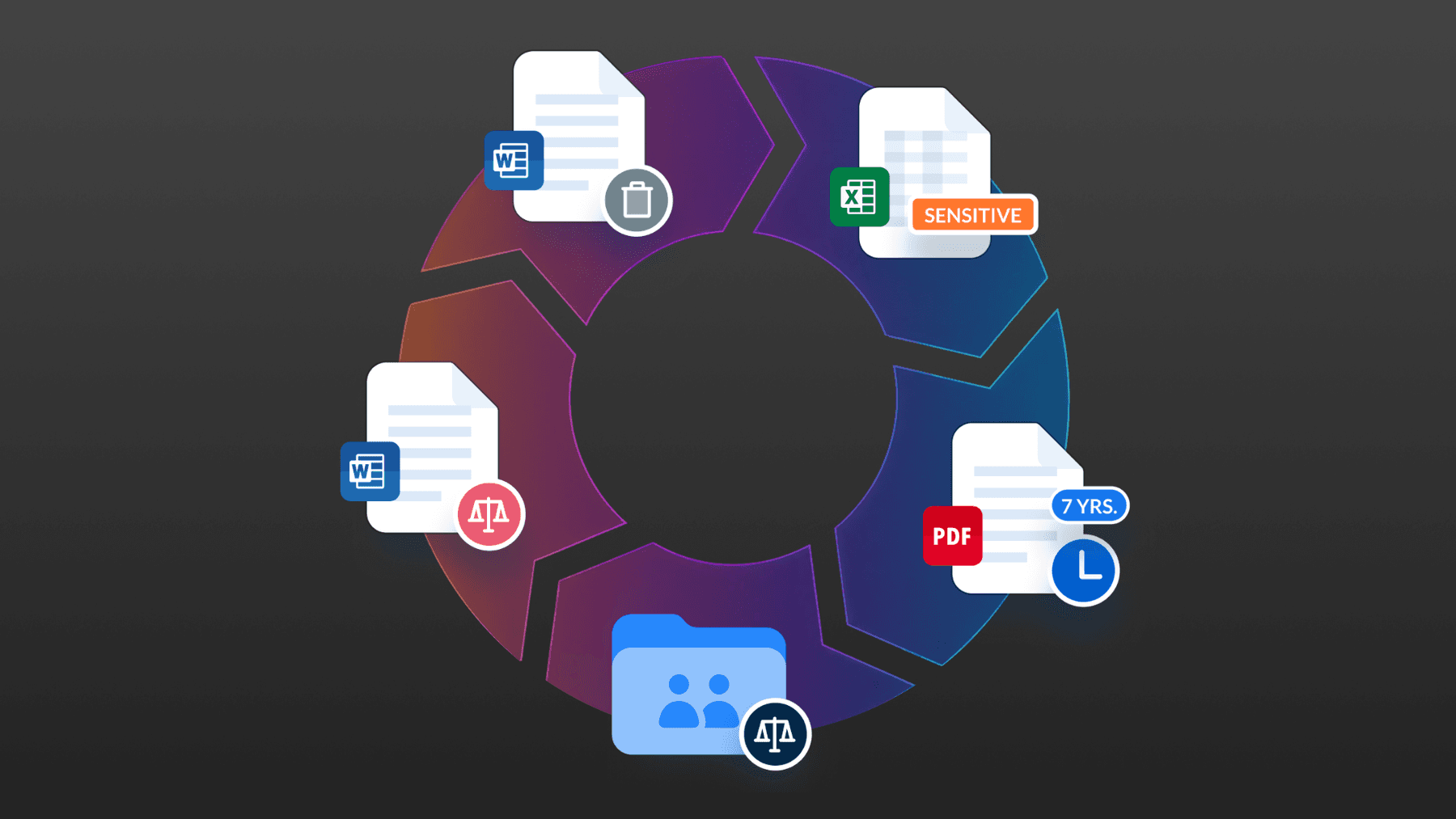
An action plan for AI agents starts by formalizing and documenting governance with well-defined roles and escalation mechanisms. Make decisions — and the decision-making process — transparent. Develop standard protocols for communication, information sharing, and conflict resolution. Create accountability procedures with methods and metrics to measure successful human-AI partnerships. Invest in targeted and personalized reskilling that coaches existing talent towards new rewarding roles. Feedback mechanisms can highlight legitimate concerns about the transition and ways to alleviate them.
Developing a robust platform for agents to operate
Make it easy to apply trusted governance frameworks. A unified platform is the operational foundation for a variety of agents running in parallel so enterprises can apply a fixed set of governance frameworks to all AI agents in one shot. Build an open, content-rich, vendor-agnostic technology stack and treat trust controls as continuous, living capabilities, so agents can execute end-to-end work with safety and accountability. Develop a plan to integrate the AI stack into existing tech stacks and processes for lifecycle governance of operational data.
Conclusion
Agents empower enterprises to dynamically realize efficiencies at scale, moving beyond proof-of-concept purgatory. With the right trust-building systems and tools in place, work can be collaborative, AI-augmented, and human-led.
When agents attend to routine processes autonomously, enterprises can lean on the creativity of their human talent to deliver innovations that drive revenues and growth. But realizing this potential requires more than just deploying AI tools—it demands a fundamental shift in how organizations approach security, governance, and human-AI collaboration. The enterprises that succeed will be those that build trust into their AI systems from the ground up, rather than trying to retrofit it later.